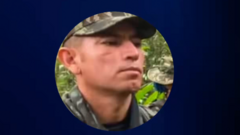
Colombian forces have killed Hernando Forero Mosquera, an alleged rebel leader, in a military operation on Monday. The strike occurred in Arauca, near the Venezuelan border, just days after President Gustavo Petro took office. Petro, the country’s first leftist leader, has vowed to crack down on armed groups threatening peace efforts. The high-profile operation signals his administration's determination to address Colombia's decades-long conflict.
Key Takeaways
- Alleged rebel leader Hernando Forero Mosquera killed in Arauca, Colombia.
- Operation follows President Petro’s inauguration, marking a shift in security strategy.
- Arauca, a conflict hotspot near Venezuela, has seen escalating violence.
- Petro seeks to balance peace talks with decisive military actions.
Background
Colombia has endured over five decades of armed conflict involving guerrilla groups, paramilitaries, and drug cartels. Despite the 2016 peace deal with the Revolutionary Armed Forces of Colombia (FARC), violence persists, particularly in regions like Arauca. Armed factions in this area operate across borders, complicating security efforts.
President Gustavo Petro, sworn in last week, has promised to pursue peace while addressing the root causes of violence, including inequality and land disputes. His administration faces the challenge of balancing negotiations with military interventions against groups refusing to disarm.
What Happened
On Monday, Colombian security forces launched a targeted operation in Arauca, killing Hernando Forero Mosquera, a suspected leader of the National Liberation Army (ELN). The ELN, Colombia’s largest remaining guerrilla group, has resisted peace negotiations in recent years. According to the BBC News, the operation was part of a broader strategy to weaken armed factions destabilizing the region.
Arauca, which borders Venezuela, has become a flashpoint for violence, with armed groups exploiting porous borders for recruitment and trafficking. Petro’s administration has vowed to restore order in these conflict zones while pursuing dialogue with groups willing to negotiate.
Why It Matters
The killing of Mosquera underscores Petro’s dual approach to Colombia’s security crisis: enforcing military action while exploring peace talks. The operation reflects a decisive shift in strategy, potentially signaling to armed groups that defiance will be met with force.
Arauca’s instability remains a critical test for Petro’s government, as it struggles to protect civilians caught in crossfire. Success in regions like Arauca could bolster Petro’s credibility and strengthen his mandate to pursue broader peace initiatives.
What Happens Next
President Petro’s administration is likely to intensify efforts to dismantle armed groups while inviting dialogue with factions open to reconciliation. Arauca will remain at the center of these efforts, given its strategic importance and proximity to Venezuela.
Observers expect Petro to announce further operations targeting rebel strongholds and unveil new proposals for addressing structural inequalities fueling conflict. His ability to balance military action with peace-building will shape Colombia’s security landscape in the coming months.
Frequently Asked Questions
What group did Hernando Forero Mosquera allegedly lead?
Mosquera was reportedly a leader within the National Liberation Army (ELN), Colombia’s largest remaining guerrilla faction. The ELN has resisted peace talks in recent years, making it a primary target for Petro’s administration.
Why is Arauca a hotspot for violence?
Arauca’s proximity to Venezuela and its porous borders make it a haven for armed groups involved in trafficking and recruitment. The region’s lack of state presence further exacerbates insecurity, leaving civilians vulnerable to violence.
How does Petro plan to address Colombia’s armed conflict?
Petro has outlined a strategy combining military action with peace negotiations. He aims to weaken groups refusing dialogue while addressing socioeconomic inequalities, such as land disputes and poverty, that fuel violence.
Bottom Line
Colombia’s military operation in Arauca marks a pivotal moment for President Gustavo Petro’s administration as it confronts armed groups threatening peace efforts. Reporting provided by BBC News.