At least 12 killed in Kyiv as Ukraine grapples with air‑defence shortages
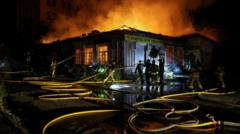
A series of Russian air strikes hit Kyiv on Thursday, killing at least 12 civilians and injuring dozens more. The attacks struck residential apartment blocks and a warehouse district, prompting officials to label the raid a “massive attack.” Ukraine’s dwindling air‑defence inventory has left the capital increasingly vulnerable, raising urgent security concerns for both citizens and the international community.
Key takeaways
- Over a dozen civilians died after Russian missiles hit Kyiv’s apartment complexes and warehouses.
- Ukraine’s air‑defence systems are critically low, limiting its ability to intercept incoming strikes.
- The attacks underscore Kyiv’s growing exposure as the war’s front lines shift eastward.
- International partners are being urged to accelerate delivery of modern air‑defence hardware.
Background
Ukraine has relied on a patchwork of Soviet‑era systems, Western‑supplied Patriot batteries and portable air‑defence missiles since the invasion began in February 2022. Supply bottlenecks, maintenance challenges, and the sheer volume of Russian sorties have stretched those resources thin. Analysts note that the shortage is not merely logistical; it reflects broader geopolitical negotiations over arms transfers. For a broader view of the conflict’s global implications, see our world coverage.
What happened
On Thursday morning, radar operators detected a swarm of cruise missiles and high‑explosive bombs heading toward Kyiv’s central districts. The first wave struck an apartment block on Khreshchatyk Street, collapsing several floors and trapping residents. A second wave hit a nearby warehouse complex, igniting fires that hampered rescue efforts. Ukrainian officials confirmed at least 12 fatalities and dozens of injuries, while emergency crews worked through the night to clear debris. The incident was reported by BBC News, which highlighted the city’s strained defence posture.
Why it matters
The loss of life amplifies public pressure on Kyiv’s leadership to secure more robust air‑defence capabilities. With the war now entering its third year, civilian morale and confidence in the government’s protective measures are waning. Moreover, the attack could influence diplomatic calculations: NATO allies may feel compelled to expedite promised weapon deliveries, while Russia may view the strike as evidence of Ukraine’s weakening shield. This dynamic is echoed in other recent headlines, such as the Travelodge boss steps down after security issues in rooms story, which shows how security lapses can trigger swift leadership changes.
What happens next
Ukraine’s defence ministry has announced an urgent request for additional surface‑to‑air missiles, including more advanced Patriot and NASAMS systems. Western governments are expected to convene a high‑level meeting in Brussels next week to assess supply pipelines and funding mechanisms. In the meantime, Kyiv’s emergency services are bolstering civilian shelters and expanding early‑warning alerts. Observers suggest that any delay in reinforcing the capital’s air‑defence could invite further large‑scale attacks.
Frequently asked questions
How many casualties were reported?
At least 12 civilians were killed and dozens more injured, according to Ukrainian officials and corroborated by international media.
What types of weapons were used in the attack?
The raid involved a mix of cruise missiles and high‑explosive bombs, targeting densely populated residential areas and a warehouse zone.
Will Western allies increase air‑defence aid?
While exact numbers are pending, NATO members have signalled a willingness to accelerate deliveries of Patriot, NASAMS and other modern systems to fill the shortfall.
Bottom line
The Thursday raid on Kyiv, which left a dozen dead, starkly illustrates Ukraine’s acute air‑defence shortage and the human cost of that gap. The incident is expected to accelerate diplomatic and military efforts to shore up the capital’s protection, as reported by BBC News.
Related reading
- Travelodge boss steps down after security issues in rooms
- Sabalenka stunned by Bejlek as slump continues
- Australia 'outraged' after Israel decides not to open criminal investigation into killing of aid worker in Gaza
- Weekly sports quiz: Golds, photobombs and Community Shield
- US national debt passes $40tn after doubling in a decade