Boat sinks in Zimbabwe's Lake Kariba with 95 people on board
Lake Kariba, Zimbabwe – 12 August 2026 – A passenger boat carrying 95 passengers capsized on Lake Kariba after striking strong waves, leaving dozens injured and prompting a large‑scale rescue effort. The incident, reported by local authorities and confirmed by BBC News, underscores ongoing safety concerns on one of Africa’s busiest inland waterways. The tragedy has reignited calls for stricter vessel inspections and better emergency response coordination across the region’s tourism sector.
Key takeaways
- 95 passengers aboard a small passenger boat sank after strong waves overturned it.
- Rescue teams rescued most survivors; dozens remain injured and are receiving medical care.
- Authorities have launched an investigation into vessel safety standards on Lake Kariba.
- The incident may affect tourism and local economies that rely on lake transport.
Background
Lake Kariba, straddling the border between Zimbabwe and Zambia, is the world’s largest man‑made reservoir by volume. It supports a thriving tourism industry, with daily ferry services ferrying locals, tourists, and commercial goods across its 223 km length. Safety regulations for small passenger vessels have been a point of contention for years, with periodic reports of overloaded boats and inadequate life‑jacket provisions. The sinking follows a series of recent incidents on African inland waterways that have prompted regional governments to review maritime safety protocols.
What happened
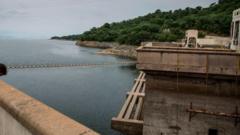
According to the Zimbabwe Republic Police, the boat left the dock at the Kariba Dam early on 12 August, heading toward the popular fishing spot at Manda. Rough weather had been forecast for the day, but the vessel set out regardless. Around 10:30 am, witnesses reported seeing the boat tilt sharply before it capsized, throwing passengers into the water. Local fishermen and nearby tour operators were first on the scene, pulling survivors onto their boats while the Zimbabwean National Water Authority dispatched motorized rescue craft. By late afternoon, emergency services had air‑lifted the most seriously injured to hospitals in Victoria Falls and Harare.
Why it matters
The loss of life and injuries highlight the fragile balance between tourism revenue and passenger safety on Lake Kariba. The lake draws over 200,000 visitors annually, many of whom rely on small boats for transport to remote lodges and fishing camps. A single accident can erode confidence in the region’s safety record, potentially diverting tourists to alternative destinations in Southern Africa. Moreover, the incident puts pressure on the world news agenda, as it raises broader questions about maritime oversight in developing economies.
What happens next
The Ministry of Transport has announced a full inquiry, promising to audit all commercial vessels operating on the lake within the next 30 days. Officials also indicated plans to introduce mandatory life‑jacket checks and stricter passenger‑capacity limits. International aid groups, including the Red Cross, have pledged additional rescue equipment and training for local crews. Meanwhile, the tourism board urges travelers not to cancel trips but to stay informed about safety guidelines. For ongoing coverage, readers can explore more stories on our site’s Chronicle News page or browse all articles for related updates.
Frequently asked questions
How many people survived the sinking?
Out of the 95 passengers, 78 were rescued by nearby boats and rescue teams, while several remain hospitalized with injuries.
What caused the strong waves that hit the boat?
Meteorological reports indicated a sudden squall line moved across the lake that morning, generating waves up to 2 meters high—conditions sufficient to destabilise a lightly‑built vessel.
Will the boat be inspected or taken out of service?
The ongoing investigation will determine whether the vessel complied with safety standards; early indications suggest it will be seized pending a thorough inspection.
Bottom line
The Lake Kariba boat disaster has exposed critical gaps in maritime safety that could impact tourism and local livelihoods. Authorities are now under pressure to enforce stricter regulations and improve emergency response capabilities. Reporting by BBC News.
Related reading
- Homes near pylons to get £250 a year off energy bills – first sites revealed
- Depay says Corinthians 'unacceptable' as contract ends
- Solar eclipse and the island of Ireland: The weather forecast and all you need to know
- Slot to stay in club football after Netherlands talks
- What you need to know about the solar eclipse over Yorkshire