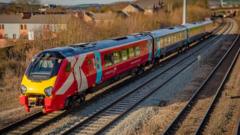
CrossCountry trains have suspended nearly all services across the UK following a major power outage on Tuesday. The disruption, which comes during peak travel hours, has left thousands of passengers stranded and frustrated. The company cited a failure in critical systems as the cause, prompting widespread delays and cancellations. With rail travel already under scrutiny due to ongoing strikes and service reliability concerns, this incident raises further questions about the resilience of the UK's transport network.
Key Takeaways
- CrossCountry suspended nearly all UK services due to a major power outage.
- Thousands of passengers face travel disruptions during peak hours.
- The outage highlights vulnerabilities in the UK's transport infrastructure.
- Rail industry under pressure amid strikes and service reliability concerns.
Background
CrossCountry is one of the UK's largest train operators, connecting major cities including Edinburgh, Birmingham, Manchester, and Bristol. The company plays a vital role in the country's business and commuter travel, transporting millions of passengers annually. However, in recent months, UK rail services have faced mounting criticism over delays, cancellations, and labor strikes. This latest disruption adds to the woes of passengers already weary from travel uncertainty.
What Happened
The power outage occurred early Tuesday morning, affecting critical systems that control timetables, signals, and passenger information services. CrossCountry issued a statement confirming that "almost all services" had been canceled due to the issue. While engineers are working to resolve the problem, the company has not provided a timeline for when services might resume. Stranded customers described the situation as "chaotic" and "the worst-case scenario," with many left scrambling for alternative travel arrangements.
According to BBC News, other rail operators are also experiencing knock-on effects from the incident. Passengers are being urged to check for updates before traveling and to consider postponing non-essential journeys.
Why It Matters
This disruption underscores the fragility of the UK's rail infrastructure and the impact such outages can have on daily life and business. For commuters, especially those traveling for work or medical appointments, the cancellations are more than inconvenient—they’re costly and disruptive. With strikes already affecting rail reliability, confidence in public transport is waning.
The incident also raises questions about the preparedness of major transport operators to handle unexpected crises. As the UK continues to invest in sustainable transport solutions, ensuring operational resilience must remain a priority.
What Happens Next
CrossCountry engineers are working to identify and fix the root cause of the outage, but the timeline for service restoration remains unclear. Passengers are being advised to monitor updates via the company’s website and social media channels. In the meantime, alternative transport options, including buses and carpooling, are being explored by affected travelers.
The incident is likely to prompt an investigation into the reliability of rail infrastructure and contingency planning within the industry. It also adds urgency to calls for reform in the UK rail sector, a topic that has been hotly debated in recent years.
Frequently Asked Questions
What caused the power outage?
The outage stemmed from a failure in critical systems, though the exact cause is still under investigation. Engineers are working to determine whether it was due to technical faults or external factors.
Are other train operators affected?
Yes, the disruption has caused knock-on delays for other operators sharing parts of the rail network. Passengers using different services are advised to check updates before traveling.
What should passengers do now?
CrossCountry advises passengers to avoid non-essential travel and check for updates online. Refunds and compensation options may be available for affected journeys.
Bottom Line
The CrossCountry power outage has caused significant disruptions to UK rail travel, leaving thousands of passengers stranded. As the situation unfolds, questions about infrastructure resilience are likely to gain momentum. Reporting sourced from BBC News.
Related Reading
- Zelensky should be asked what he knew about government corruption, sacked minister tells BBC
- Robots compete in boxing, football and sprinting at World Humanoid Games
- Man City agree £86m deal for 18-year-old Bouaddi
- 'New season, new trim' - Haaland reveals buzzcut
- Golf brand apologises for advert that shows woman being pushed over