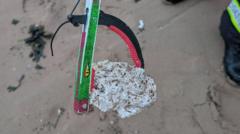
Dog owners have been urged to stay vigilant after suspected palm oil deposits were discovered washing ashore on a popular UK beach. Authorities issued the warning on October 15 after reports of the substance, which can be highly toxic to dogs, surfaced. The incident occurred at a beach in Cornwall, raising concerns for pets and wildlife. Palm oil, often mistaken for something edible due to its smell and appearance, could pose serious health risks to animals.
Key Takeaways
- Suspected palm oil found on Cornwall beach poses a potential hazard to dogs and wildlife.
- Dog owners are advised to keep pets on a leash and avoid suspected substances.
- Palm oil's smell can attract dogs, but ingestion may lead to vomiting, diarrhea, or worse.
- Local officials are investigating and coordinating cleanup efforts to mitigate the risk.
Background
Palm oil is a common ingredient in processed foods, cosmetics, and industrial products. However, when improperly disposed of, it can end up in oceans and wash ashore as semi-solid lumps. These deposits often emit a smell that is enticing to dogs but can be harmful or even fatal if consumed. This incident highlights ongoing environmental and public health challenges linked to waste management and marine pollution, topics frequently covered in science discussions.
What Happened
Authorities in Cornwall were alerted to the presence of a waxy, white substance resembling palm oil on a local beach. The substance, which can look harmless to the untrained eye, was found scattered along the shore. Cleanup crews have been dispatched, and signs have been installed to warn beachgoers of the potential danger, particularly for dog walkers. While lab testing is still underway to confirm the substance is palm oil, officials are urging caution.
Why It Matters
Palm oil is not only an environmental pollutant but also a hidden danger to pets. Dogs are especially vulnerable because they are attracted to its scent and may ingest it, mistaking it for food. Consumption can lead to severe health issues, including vomiting, diarrhea, dehydration, and in some cases, death. Aside from the immediate risk to pets, the presence of palm oil on beaches underscores broader concerns about marine pollution and waste disposal practices.
What Happens Next
Local authorities are continuing their investigation to confirm the substance's origin and ensure proper cleanup. Dog owners in the area are being encouraged to keep their pets on leashes and avoid letting them roam freely on beaches until further notice. Environmental groups are also calling for stricter regulations and better enforcement to prevent pollution of this kind from recurring.
Frequently Asked Questions
What is palm oil, and why is it dangerous to dogs?
Palm oil is a widely used vegetable oil that can wash ashore as a semi-solid, waxy substance. Dogs are attracted to its smell but may experience severe health issues if they ingest it, including vomiting, nausea, and potential toxicity.
What should I do if my dog eats palm oil?
If your dog consumes a substance you suspect to be palm oil, contact a veterinarian immediately. Keep an eye out for symptoms like vomiting, lethargy, or diarrhea, and provide details about the incident to assist in your pet's treatment.
Is this a recurring issue in the UK?
Yes, similar incidents have been reported in the past, particularly in coastal areas. Palm oil pollution often stems from improper disposal during shipping or industrial processes. Stricter waste management and cleanup protocols are needed to address this recurring problem.
Bottom Line
Suspected palm oil deposits on a Cornwall beach have prompted warnings for dog owners and raised concerns about marine pollution. For further details, visit BBC News.
Related Reading
- Hunt second in Diamond League 200m as White wins
- Russian double-tap drone strike kills 15 in Ukrainian mall, officials say
- Inter complete £30m deal for Liverpool's Jones
- Meghan in talks for role in Netflix series The Gentlemen, BBC understands
- Two injured in stabbing attack at Canada Sikh temple
Looking for more stories? Explore Chronicle News or check out all articles.