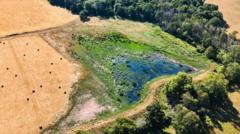
Experts battling extinctions after record heat
Scientists across Europe and Asia are racing to save six vulnerable butterfly and plant species that have been pushed toward extinction by unprecedented summer heatwaves. The emergency research, coordinated by universities and conservation NGOs, began in late June 2024 after temperature records shattered long‑standing benchmarks. Field teams are now mapping habitat loss, breeding failures, and disease spikes that threaten biodiversity. The work matters because losing these keystone species could destabilise entire ecosystems and accelerate climate‑driven declines worldwide. For more science coverage, visit the science hub or explore other stories on Chronicle News.
Key takeaways
- Record‑breaking heat in June‑July 2024 triggered reproductive failures in six target species.
- Researchers are deploying heat‑resistant seed banks and captive breeding to curb extinction risk.
- Habitat corridors are being restored to allow species migration toward cooler microclimates.
- International collaboration speeds data sharing, informing policy ahead of the next summer.
Background
The six species—three alpine butterflies and three mountain‑dwelling plants—have historically survived in narrow climatic niches. Over the past decade, climate models have warned of rising temperatures, but the 2024 heatwave set new extremes, with daily maxima exceeding 40 °C in several ranges. Conservationists had previously relied on protected‑area designations, yet the sudden thermal stress exposed gaps in those safeguards.
What happened
During the heatwave, field biologists recorded a sharp decline in adult butterfly emergence and a 30 % drop in seed set for the plant species, according to data shared on the all articles portal. Laboratory tests revealed that pollen viability fell below viable thresholds after just a few hours of exposure above 35 °C. Simultaneously, invasive pests proliferated, further compromising plant health. The situation prompted an emergency summit in Zurich, where experts outlined a rapid‑response plan.
Why it matters
Butterflies serve as pollinators and food sources for birds, while the plants stabilize soils and retain water in high‑altitude watersheds. Their loss would ripple through food webs, reducing resilience against future climate shocks. Moreover, these species act as bio‑indicators; their decline signals broader ecological stress that could affect agriculture and human health. The crisis underscores the urgency highlighted in recent reports such as the British rapper Yung Filly to face retrial on rape charges in Australia article, which illustrates how swift legal and scientific actions can alter outcomes.
What happens next
Conservation teams are now establishing “thermal refuges” by planting shade‑giving shrubs and installing artificial misting systems. Seed banks are being expanded in cooler valleys, with genetic material shared across borders to preserve diversity. Ongoing monitoring will feed into the European Biodiversity Strategy, influencing funding allocations for climate‑adaptation projects. Researchers also plan to publish interim findings in peer‑reviewed journals, ensuring transparency and enabling policymakers to act before the next heatwave.
Frequently asked questions
How many species are involved in the emergency program?
Six species—three butterfly and three plant species—are currently receiving intensive scientific and conservation support.
Can captive breeding reverse the decline?
Captive breeding can boost population numbers, but success depends on re‑introducing individuals into restored, cooler habitats.
When will the first results be available?
Preliminary data are expected by early autumn 2024, with full reports slated for release in early 2025.
Bottom line
Scientists are mobilising unprecedented resources to halt the extinction of heat‑vulnerable species, a move critical for ecosystem stability. The effort highlights how climate extremes demand swift, collaborative action, as reported by BBC News.