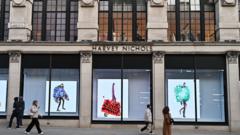
Luxury department store Harvey Nichols has been acquired by Mike Ashley's Frasers Group, the parent company of Sports Direct, in a deal that underscores the retail mogul’s growing influence in the UK high street. The purchase, confirmed on Thursday, comes after Harvey Nichols warned it could cease trading due to mounting financial pressures. The acquisition marks another bold move by Frasers Group, which has been aggressively expanding its portfolio of high-end retail brands. This development is expected to reshape the future of premium shopping in the UK.
Key Takeaways
- Frasers Group, owner of Sports Direct, has acquired luxury retailer Harvey Nichols.
- The deal follows financial struggles at Harvey Nichols, which had warned of potential closure.
- Frasers Group continues to expand its presence in the business of high-end retail.
- The acquisition could significantly alter the UK’s premium retail landscape.
Background
Harvey Nichols, a name synonymous with luxury shopping, has been a staple of British retail since its founding in 1831. Known for its flagship Knightsbridge store and featured prominently in the sitcom Absolutely Fabulous, the retailer has long been a destination for affluent shoppers. However, recent years have brought mounting challenges, including declining foot traffic, rising operational costs, and intense competition from online retailers.
Frasers Group, owned by billionaire Mike Ashley, is no stranger to opportunistic acquisitions. The company has built a diverse portfolio, ranging from discount sportswear to luxury brands, and has consistently sought to establish itself as a major player in the high-end retail business sector.
What Happened
The acquisition was announced on October 19, 2023, with Frasers Group taking full ownership of Harvey Nichols. While financial terms of the deal have not been disclosed, the move follows months of speculation about Harvey Nichols’ future. The department store had previously disclosed that it was at risk of shutting down due to unsustainable losses.
Mike Ashley, who has built a reputation for rescuing struggling brands, has promised significant investment to revive Harvey Nichols. This includes a potential overhaul of its retail spaces and a renewed focus on digital transformation to compete with online luxury giants.
Why It Matters
Harvey Nichols is more than just a department store—it’s a cultural landmark and a symbol of British luxury. Its acquisition by Frasers Group represents a pivotal moment in the evolution of the UK’s retail sector. For consumers, this could mean a revitalized shopping experience that blends traditional in-store luxury with modern e-commerce innovations.
For the retail industry, this deal highlights an ongoing trend: established players like Frasers Group are capitalizing on the struggles of legacy brands to expand their market dominance. This acquisition could also spark renewed competition among luxury retailers, potentially altering the dynamics of the premium shopping market.
Deeper Analysis
Mike Ashley’s strategy with Frasers Group has been to acquire struggling but iconic brands and integrate them into his growing empire. Past acquisitions include House of Fraser, Jack Wills, and Flannels, many of which have seen varying degrees of success under his leadership. The Harvey Nichols purchase aligns with his goal of moving Frasers Group further into the luxury retail space.
However, critics have questioned whether Ashley’s no-frills approach will resonate with Harvey Nichols’ existing customer base, known for expecting a premium experience. Analysts suggest that the success of this acquisition will hinge on Frasers Group’s ability to maintain Harvey Nichols’ brand identity while introducing operational efficiencies.
In the broader context, this deal highlights the ongoing challenges faced by department stores globally. As online shopping continues to dominate, brick-and-mortar retailers must innovate or risk obsolescence.
What Happens Next
Frasers Group is expected to outline its strategic vision for Harvey Nichols in the coming months. Early indications suggest a dual focus on modernizing its physical stores and enhancing its online presence. This may include significant investment in technology to offer a seamless omnichannel experience.
For customers, the acquisition could bring changes to Harvey Nichols’ product lines, store layouts, and digital platforms. Meanwhile, the retail industry will be watching closely to see whether this acquisition sets a new standard for reinvigorating legacy brands.
Frequently Asked Questions
What does this acquisition mean for Harvey Nichols customers?
Customers can expect changes in both the in-store and online shopping experience. Frasers Group is likely to introduce new product lines, improve digital offerings, and invest in store upgrades. However, it remains to be seen how these changes will align with Harvey Nichols’ luxury brand image.
Why did Harvey Nichols face financial difficulties?
Harvey Nichols has struggled with declining foot traffic, rising operational costs, and increased competition from online retailers. These factors, combined with broader challenges in the retail sector, put the company at risk of closure before the acquisition.
What is Mike Ashley’s strategy with Frasers Group?
Mike Ashley has focused on acquiring underperforming but iconic brands and revamping them to fit into Frasers Group’s portfolio. His strategy often involves cost-cutting measures and investments in e-commerce to modernize struggling businesses.
Bottom Line
The acquisition of Harvey Nichols by Frasers Group marks a major development in the UK retail landscape. As reported by BBC News, the move highlights both the challenges and opportunities facing legacy luxury brands today.
Related Reading
- Tielemans apologises to Villa fans for Man Utd remarks
- Hodgkinson into 800m final and Werro through despite nasty fall
- Bangladesh dominate Australia despite Smith reprieve
- Water bills set to rise for many after firms permitted extra funding
- Can social media start over? Bluesky’s CEO and COO deliver their case at TechCrunch Disrupt 2026