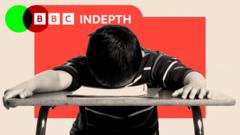
Record-breaking heatwaves are forcing educators to rethink the traditional school calendar. With classrooms across Europe and North America sweltering during peak summer months, teachers and administrators are raising alarms about the impact on student health and learning. This shift comes as climate change accelerates, intensifying heatwaves and making heat management a pressing concern. Experts warn that adapting school schedules may soon be inevitable to protect students and maintain educational standards.
Key Takeaways
- Heatwaves are making summer months increasingly unsuitable for classroom learning due to health risks.
- Teachers report declining focus and attendance as temperatures soar in poorly ventilated schools.
- Some districts are considering or already implementing year-round school schedules with summer breaks shortened.
- Climate change is driving a growing conversation about the need for systemic adjustments in education.
Background
In recent years, extreme heat events have become more frequent and severe due to climate change. According to scientific studies, global temperatures are rising at an unprecedented rate, with record heatwaves recorded in Europe, North America, and Asia in 2023. These conditions have raised concerns about the safety and productivity of students in schools that often lack air conditioning or proper ventilation.
Many school districts follow a traditional calendar that aligns summer breaks with the hottest months. However, this approach is increasingly being challenged as temperatures climb, with some schools forced to close temporarily due to unsafe indoor conditions.
What Happened
In the summer of 2023, a wave of heat emergencies disrupted schools across Europe and parts of the U.S. In the United Kingdom, several schools closed or sent students home early as indoor temperatures exceeded safe levels. Similarly, U.S. districts in states like Texas and California reported a spike in heat-related illnesses among students.
Teachers have described the conditions in classrooms as "unbearable," with some likening them to "sitting in a sauna." Many schools, particularly older ones, lack modern cooling systems, leaving children and staff vulnerable to heatstroke and dehydration. In some cases, schools have adopted temporary solutions, such as installing fans or distributing water bottles, but these measures often fall short during prolonged heatwaves.
Why It Matters
The issue extends beyond discomfort—it poses serious risks to student health and academic performance. According to research from the BBC News, prolonged exposure to extreme heat can impair cognitive function, making it harder for students to concentrate and retain information. Teachers are also reporting increased absenteeism during heatwaves, further disrupting the educational process.
The problem disproportionately affects low-income communities, where schools are less likely to have air conditioning or resources for retrofitting. This exacerbates existing educational inequalities, as wealthier districts are better equipped to adapt to rising temperatures. For educators, the message is clear: the traditional school calendar may no longer be compatible with the reality of a warming world.
Deeper Analysis
The debate over adjusting school schedules is gaining traction, with some districts experimenting with year-round education models. These calendars distribute shorter breaks throughout the year, avoiding prolonged closures during the hottest months. Proponents argue that such changes could enhance learning outcomes while mitigating the risks of extreme heat. However, critics caution that year-round schooling could disrupt family life and increase operational costs for schools.
Another potential solution involves retrofitting schools with modern cooling systems, but this comes with its own challenges. The upfront costs are high, and many districts—especially those in low-income areas—lack the necessary funding. Policymakers are now grappling with whether to prioritize infrastructure upgrades, calendar adjustments, or a combination of both.
The conversation also intersects with broader societal questions about climate adaptation. As extreme weather events become more common, a growing number of institutions are being forced to reconsider long-standing practices. From workplaces to sports schedules, the impact of climate change is prompting systemic shifts across multiple sectors.
What Happens Next
As heatwaves become more frequent, the pressure to adapt school systems will only intensify. Policymakers are likely to face difficult decisions about how to balance costs, equity, and the need for climate resilience. In the short term, more schools may adopt temporary measures such as earlier start times or remote learning during heat emergencies.
Long-term solutions will require coordinated efforts between governments, educational institutions, and communities. Retrofitting schools with cooling systems and implementing climate-conscious policies may become top priorities. Meanwhile, teachers and parents are expected to play a key role in advocating for changes that protect students and ensure a quality education.
Frequently Asked Questions
How do heatwaves affect student performance?
Heatwaves can impair cognitive function, making it harder for students to focus and process information. Research also shows a correlation between extreme heat and lower test scores, as well as increased absenteeism.
Are there schools already changing their calendars?
Yes, some districts in the U.S. and Europe are experimenting with year-round schedules to avoid extended breaks during the hottest months. These models aim to distribute breaks more evenly throughout the year.
What are the costs of retrofitting schools for extreme heat?
Retrofitting schools with air conditioning or modern cooling systems can be expensive, often requiring significant government funding. Costs vary depending on the size, age, and location of the school, with older buildings typically requiring more extensive upgrades.
Bottom Line
As climate change drives more extreme heatwaves, the traditional school calendar may no longer be sustainable. Policymakers and educators will need to adapt quickly to protect student health and ensure equitable access to education, according to BBC News.
Related Reading
- How Arsenal 'punished' newly promoted Coventry
- Why Spurs' defeat to Brentford is 'worrying' after summer signings
- How the 'new boys' of Ipswich got their season off to a dream start
- 'They just didn't look fit at all' - Shearer on Man Utd
- Struggling households need more help with bills, energy industry says