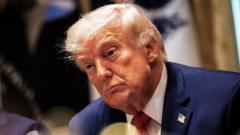
Former U.S. President Donald Trump’s stringent sanctions, dubbed an "economic D-Day," are once again in the spotlight as analysts assess their long-term impact on Iran’s economy. The sanctions, originally imposed in 2018 after Trump withdrew from the Iran nuclear deal, targeted vital sectors like oil, banking, and shipping. While Iran has demonstrated resilience, the restrictions have significantly strained its economy and isolated it from global markets. The ongoing repercussions of these measures continue to shape geopolitics, with debates over their efficacy and humanitarian consequences.
Key takeaways
- Trump's sanctions aimed to cripple Iran’s oil exports and isolate its economy globally.
- Iran has relied on clandestine networks to bypass sanctions and sustain its economy.
- Critics argue the sanctions disproportionately hurt civilians and escalate regional tensions.
- The future of these measures depends on evolving U.S.-Iran relations and global diplomacy.
Background
In 2015, Iran signed the Joint Comprehensive Plan of Action (JCPOA) with major world powers, agreeing to limit its nuclear program in exchange for sanctions relief. However, in 2018, Trump withdrew the U.S. from the deal, citing concerns over Iran's regional activities and missile programs. The subsequent reimposition of sanctions marked a return to economic isolation for Tehran, targeting its crucial oil revenues, banking systems, and access to international markets.
Iran’s economy, heavily reliant on oil exports, faced immediate challenges. Yet, over the years, it has developed sophisticated methods to bypass sanctions, including illicit oil shipments and alternative financial networks. Despite these efforts, the sanctions have contributed to inflation, unemployment, and a sharp decline in living standards for ordinary Iranians.
What happened
The sanctions, described by Trump as the "toughest ever," essentially cut Iran off from the global financial system. They included penalties for any entity trading with Iran, leading to a significant drop in oil exports—once the backbone of its economy. Major companies pulled out of Iranian markets, and international banks severed ties, fearing U.S. penalties.
In response, Iran leaned on smuggling networks and informal trade routes, particularly with countries like China, its largest oil customer. According to BBC News, Tehran also turned to cryptocurrency and bartering mechanisms to sustain vital imports and exports.
Why it matters
The sanctions have had profound implications not only for Iran but also for regional and global stability. Critics argue that the measures disproportionately affect ordinary Iranians, leading to shortages of essential goods, skyrocketing inflation, and widespread poverty. On the geopolitical front, the strained relations between Iran and the West have heightened tensions in the world, particularly in the Gulf region.
Moreover, the sanctions reveal the complexities of economic warfare. While they have undoubtedly hurt Iran's economy, they have also fostered resilience and innovation in circumventing restrictions. These dynamics serve as a cautionary tale for future sanctions policies, particularly in scenarios involving other nations like Russia or North Korea.
What happens next
The future of Trump’s "economic D-Day" rests on the evolving landscape of U.S.-Iran relations. The Biden administration has signaled interest in reviving the JCPOA, but progress has been slow amid mutual distrust and Iran’s advancing nuclear program. Additionally, the effectiveness of sanctions could dwindle as Iran strengthens its ties with non-Western powers like China and Russia.
Domestically, the Iranian government continues to face pressure from its population to address economic hardships. International calls for easing sanctions to alleviate civilian suffering are gaining traction, though they remain contentious amidst broader geopolitical considerations.
Frequently asked questions
What are Trump's sanctions on Iran?
Trump’s sanctions, imposed in 2018, targeted Iran’s oil exports, banking sector, and shipping industry. These measures aimed to exert maximum economic pressure on Tehran to curb its nuclear ambitions and regional activities.
How has Iran managed to bypass the sanctions?
Iran has used clandestine oil shipments, informal trade networks, and alternative financial systems to circumvent the sanctions. It has also deepened economic ties with countries like China, which oppose U.S. sanctions.
Will the sanctions be lifted anytime soon?
The Biden administration has expressed interest in reviving the JCPOA, which could lead to easing sanctions. However, progress is uncertain due to ongoing disputes over Iran’s nuclear program and regional activities.
Bottom line
Trump’s "economic D-Day" sanctions have significantly strained Iran’s economy, but their long-term efficacy remains debated. As international diplomacy continues to evolve, the future of these measures—and their impact on global stability—remains uncertain. Reporting attributed to BBC News.
Related reading
- El Niño set to be 'strongest in living memory', says Met Office
- Brandon Flowers: Is fame worth it? I'm not sure anymore
- Tesla, Uber, and Waymo all get the OK to operate thousands of robotaxis in Nevada
- Rain to stop in time for weekend as sun returns
- AI data startup Micro1 reaches $500M gross run rate amid AI training boom