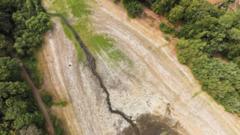
After months of parched landscapes and water restrictions, parts of the UK are finally seeing much-needed rain this week. However, experts warn that while the rainfall offers temporary relief, it may not be enough to end the prolonged drought. The situation has raised concerns about the sustainability of water supplies and the increasing frequency of extreme weather patterns linked to climate change. This issue matters because it affects agriculture, water security, and the environment across the country.
Key Takeaways
- Recent rainfall offers temporary relief to drought-stricken regions in the UK.
- Experts warn it may take months or even years to recover fully.
- Drought impacts include stressed crops, water shortages, and increased wildfire risks.
- Climate change is likely exacerbating the severity and frequency of droughts.
Background
The UK has been grappling with one of its driest years on record, with rainfall levels in 2023 falling well below seasonal averages. Several regions, including southeast England and East Anglia, have faced strict water use restrictions. Reservoir levels have plummeted, and rivers are running dry, causing major disruptions to agriculture and natural ecosystems. This week’s rainfall has been a welcome sight, but experts caution that it’s just a drop in the bucket compared to what’s needed to reverse the drought.
What Happened
Rain has finally arrived in parts of the UK that have been suffering from extended dry periods. While this week’s rainfall has provided some respite, meteorologists and hydrologists are urging caution. According to the BBC News, the current rainfall is not nearly enough to replenish depleted reservoirs or restore groundwater levels. In some areas, rainfall deficits go back over two years, meaning a sustained period of above-average precipitation is required to see a significant recovery.
The UK’s Met Office has also warned that the recent rainfall has been unevenly distributed, leaving some regions still parched. This disparity could exacerbate existing inequalities in water availability and agricultural output across the country.
Why It Matters
The ongoing drought has wide-ranging implications for the UK. Farmers in drought-hit regions have reported reduced yields of essential crops like wheat, barley, and potatoes, potentially driving up food prices. Additionally, water companies have struggled to maintain supply, with many areas facing hosepipe bans and other restrictions.
Environmental scientists are also sounding alarms about the long-term damage to ecosystems. Low water levels in rivers and lakes have caused stress to aquatic life, while the dry conditions have increased the risk of wildfires. The situation highlights the urgent need for better water management strategies and long-term investment in infrastructure to mitigate the effects of climate change.
What Happens Next
Experts say that while the recent rainfall is a positive development, it will take months or even years of consistent precipitation to fully recover from the drought. Water companies are urging consumers to continue conserving water, even in areas where restrictions have been lifted. Meanwhile, scientists are calling for more robust climate adaptation measures to ensure that the UK is better prepared for future extreme weather events.
In the short term, the Met Office predicts more rain in the coming weeks, but it’s unclear whether this will be enough to make a meaningful impact. Policymakers are also under pressure to address the structural challenges that have exacerbated the drought, such as outdated water infrastructure and inefficient usage practices.
Frequently Asked Questions
How much rain is needed to end the drought?
Experts estimate that several months of above-average rainfall are required to replenish groundwater and reservoir levels. The exact amount depends on the region, as some areas are more severely affected than others.
What are the long-term effects of the drought?
Prolonged drought can deplete water supplies, harm agriculture, and damage ecosystems. It can also lead to increased water prices and more frequent wildfires, creating long-lasting economic and environmental challenges.
Is climate change responsible for the drought?
While it’s difficult to attribute a single drought to climate change, scientists agree that global warming increases the frequency and severity of extreme weather events, including droughts. Rising temperatures can lead to faster evaporation and changes in rainfall patterns, exacerbating water scarcity.
Bottom Line
The recent rainfall in the UK is a step in the right direction, but it’s far from a solution to the ongoing drought. Sustained efforts in water conservation and climate adaptation are essential to address this growing challenge. Reporting by BBC News.