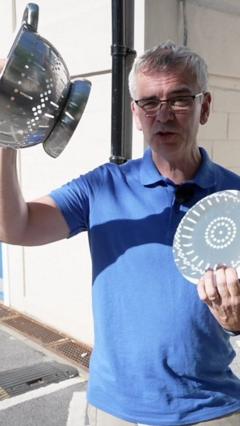
The UK is set to experience its best solar eclipse since 1999, as the Moon partially blocks the Sun across Europe. Scheduled for later today, this celestial event has sparked excitement among astronomy enthusiasts and casual observers alike. However, many are wondering how to safely view the eclipse without solar viewing glasses, which are vital for protecting your eyes from harmful rays. Understanding safe alternatives is crucial to ensure a memorable and risk-free experience.
Key Takeaways
- Solar eclipses require proper eye protection to prevent permanent retina damage.
- Homemade pinhole projectors offer a safe and simple viewing solution.
- Alternative methods, like using mirrors, are effective but require caution.
- Never look directly at the Sun, even during an eclipse, without certified solar glasses.
Background
A solar eclipse occurs when the Moon moves directly between Earth and the Sun, blocking some or all of the Sun’s light temporarily. Today’s eclipse is particularly significant for the UK, marking the most substantial event of its kind since 1999. Observers across Europe are gearing up to witness this rare phenomenon, with peak visibility expected mid-morning.
Solar eclipses hold cultural, scientific, and educational importance, offering a chance to deepen our understanding of celestial mechanics. However, improper viewing methods can result in severe eye damage, making safety guidelines critical.
What Happened
Forecasts predict that the Moon will obscure a significant portion of the Sun, creating a partial eclipse visible across the UK and Europe. While solar glasses are the safest option for viewing, many people have found themselves unprepared.
According to BBC News, this eclipse will create a dramatic visual effect as the Sun’s rays are filtered through the Moon’s shadow. Viewers are advised to use proper equipment or indirect viewing methods to avoid eye injuries.
Why It Matters
Solar eclipses are rare and awe-inspiring, providing a unique opportunity for education and engagement with astronomy. However, the intense brightness of the Sun, even during a partial eclipse, can cause permanent eye damage if viewed without proper precautions.
This event highlights the importance of public awareness around safe eclipse-viewing practices. Amateur astronomers and the general public alike must recognize the risks and adopt safe techniques, such as pinhole projection or mirror reflection, to enjoy the experience responsibly.
Deeper Analysis
For those without solar glasses, indirect viewing methods are the safest alternatives. Here are some effective techniques:
- Pinhole Projector: Create a simple projector using cardboard or paper. Poke a small hole in one piece and let sunlight pass through it onto another surface to form a projection of the eclipse.
- Mirror Reflection: Use a small mirror to reflect sunlight onto a flat surface, such as a wall. Ensure the mirror is partially covered to minimize the risk of direct exposure.
- Tree Shadow Method: Stand under a leafy tree and observe the patterns of light filtering through the leaves; the eclipse shapes will appear as crescents.
Avoid risky methods, such as using sunglasses, camera lenses, or unfiltered telescopes, as these do not protect your eyes. The science behind safe viewing is clear: indirect methods are your best bet.
What Happens Next
As the eclipse progresses, experts will continue to monitor and share real-time updates, ensuring public awareness remains high. Astronomy organizations may use this event to educate communities about safe solar observation methods.
Looking ahead, the next major solar eclipse visible from the UK is not expected until 2026, underscoring the importance of seizing today’s opportunity. For those who miss it or lack proper equipment, online live streams from organizations like NASA will offer an alternative way to experience the event.
Frequently Asked Questions
What are the risks of looking at a solar eclipse without protection?
Looking directly at the Sun during an eclipse can cause severe eye damage, including permanent blindness. The Sun’s rays remain harmful even when partially obscured, making proper protection essential.
How can I make a pinhole projector?
To create a pinhole projector, take two sheets of cardboard or thick paper. Poke a small hole in one sheet and position it so sunlight passes through the hole onto the second sheet, projecting the Sun’s image safely.
Can I use regular sunglasses to view the eclipse?
No, regular sunglasses do not offer adequate protection against the Sun’s harmful rays. Only certified solar glasses or indirect viewing methods are safe for observing an eclipse.
Bottom Line
Today’s solar eclipse is a rare and exciting event, but safety should be the top priority for viewers. Reporting from BBC News emphasizes the importance of using proper viewing methods to protect your eyes.
Related Reading
- Solar eclipse and the island of Ireland: The weather forecast and all you need to know
- Homes near pylons to get £250 a year off energy bills – first sites revealed
- At least 15 die as boat sinks in Zimbabwe's Lake Kariba
- What time and where to see the solar eclipse in Scotland
- Why 'wanted' Stanway wasted no time in getting Arsenal tattoo