Hurricane Lala sparks flash floods in Hawaii as strong winds and rain persist
The tropical system known as Hurricane Lala has slammed the Hawaiian islands with torrential rain and gale‑force winds, triggering flash floods that are sweeping away homes in the hardest‑hit neighborhoods. Local officials warn that the deluge may have already carried entire structures, along with occupants, downstream. The storm’s persistence through the night raises concerns about further damage and potential rescues. The event is being tracked in the world section of our coverage.
Key takeaways
- Flash flooding in Hawaii may have swept away homes with people inside, officials say.
- Hurricane Lala brings sustained winds exceeding 80 km/h and heavy rain across multiple islands.
- Emergency shelters are filling fast as power outages and road closures isolate communities.
- State and federal agencies are coordinating rescue and relief efforts amid ongoing danger.
Background
Hurricane Lala originated as a tropical depression in the Central Pacific before intensifying into a Category 1 storm on Monday. The system follows a typical Hawaiian track, moving west‑northwest and drawing moist air from the Pacific. Historically, hurricanes that approach the islands often weaken, but Lala’s slow forward motion has allowed rain bands to linger, creating the perfect conditions for flash flooding. The state's emergency management agency has declared a state of emergency, mobilising the National Guard and the Federal Emergency Management Agency (FEMA) to assist local responders.
What happened
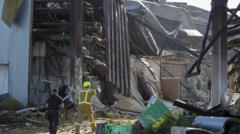
At 02:00 HST on Tuesday, the National Weather Service issued flash‑flood warnings for the windward coasts of Oahu, Maui, and the Big Island. Within minutes, intense downpours overwhelmed drainage systems, turning streets into rivers. Residents of low‑lying areas reported water levels rising several feet in minutes, washing out driveways and submerging homes. In the town of Pāhala on the Big Island, emergency crews found a collapsed roof after the floor was swept away by a sudden surge. The situation is fluid, and authorities continue to receive reports of missing persons.
Why it matters
The immediate humanitarian impact is stark: families are displaced, essential services are disrupted, and infrastructure damage threatens the islands’ tourism‑dependent economy. Flood‑related injuries and potential fatalities compound the crisis, prompting a surge in emergency calls. Moreover, the event highlights the growing vulnerability of Pacific islands to climate‑driven extreme weather, a concern echoed in recent UN assessments. The damage to roads and bridges also hampers supply chains, delaying the delivery of food, medicine, and clean water to affected neighborhoods.
What happens next
State officials have opened three emergency shelters in Honolulu, Kahului, and Hilo, each equipped with generators, food supplies, and medical staff. The Federal Emergency Management Agency is preparing to dispatch additional response teams and will assess damage for potential disaster‑relief funding. Meteorologists expect Lala’s rain bands to linger through Thursday, so residents are urged to stay indoors, avoid flood‑prone roads, and heed evacuation orders. Long‑term, the Department of Land and Natural Resources plans to review flood‑plain maps and upgrade drainage infrastructure to mitigate future risks.
For broader context on how natural disasters intersect with other news, see our coverage of sports triumphs like Fry and Glamourdale complete historic double‑double and the shocking art theft detailed in Four 'extraordinary' Renaissance paintings stolen from Italian museum. More stories are available on Chronicle News and the full archive of all articles.
Frequently asked questions
How severe is the flooding in the worst‑hit areas?
Officials describe the water levels as “rapidly rising,” with some streams turning into torrents that have already displaced homes and residents.
Are there any evacuation orders in place?
Yes, local authorities have ordered mandatory evacuations for low‑lying neighborhoods on Oahu, Maui, and the Big Island, and shelters are open 24 hours.
What should residents do if they are trapped by floodwaters?
People should stay on higher ground, avoid walking or driving through moving water, and call emergency services if they can do so safely.
Bottom line
Hurricane Lala continues to batter Hawaii with flash floods that have already swept away homes and endangered lives. Emergency responders are working around the clock to rescue those trapped and to provide shelter for displaced families, as reported by [BBC News](https://www.bbc.co.uk/news/articles/crmrr7kjy9vo?at_medium=RSS&at_campaign=rss