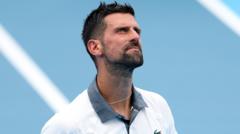
Novak Djokovic, the 24-time Grand Slam winner, has opened up about his inner struggles and relentless drive for perfection in a new documentary. Speaking with rare vulnerability, Djokovic reflected on how his childhood in Belgrade and the pressures of professional tennis have shaped his mindset. The documentary, released recently, delves into his journey to the top of the tennis world and the emotional toll of his pursuit of greatness. His revelations provide a window into the mental challenges faced by elite athletes and why this matters for understanding the human side of success.
Key takeaways
- Djokovic admits to being "his own biggest doubter" despite record-breaking career achievements.
- Belgrade childhood instilled resilience but created internal pressure to excel relentlessly.
- Documentary reveals the emotional toll of striving for perfection in elite sports.
- Djokovic’s reflections spark broader conversations about mental health in professional athletics.
Background
Novak Djokovic is widely regarded as one of the greatest tennis players of all time, with 24 Grand Slam titles to his name. Born in Belgrade, Serbia, during a tumultuous period of conflict, Djokovic’s early life was marked by adversity. This upbringing, he has often said, instilled in him a survival mentality, which later fueled his success on the court.
However, the Serbian star’s career has not been without controversy or personal struggles. From battles over vaccine mandates to on-court outbursts, Djokovic’s journey has been as complex as it is inspiring. The newly released documentary sheds fresh light on the man behind the champion, offering insights into the sacrifices required to reach the pinnacle of his sport.
What happened
The documentary captures Djokovic reflecting on his mental battles and the paradox of his drive for excellence. In one poignant moment, he admits, "I feel I am imprisoning myself," acknowledging the pressures he places on himself to stay at the top.
Djokovic also discusses his Belgrade childhood, which shaped his resilience but also contributed to his relentless pursuit of perfection. He reveals how he sometimes struggles to quiet his inner critic, describing himself as "my own biggest doubter." These revelations add depth to the understanding of Djokovic’s psyche and highlight the human cost of maintaining world-class standards.
The timing of the documentary is significant, coming after Djokovic secured his 24th Grand Slam title at the US Open. It provides fans and critics alike with a chance to see the man behind the trophies and understand the emotional toll of his extraordinary career.
Why it matters
Djokovic’s candid reflections underscore the mental health challenges faced by elite athletes, a topic gaining increasing attention in sports. While his achievements cement him as one of the all-time greats, his struggles remind us of the immense pressure athletes endure, often at the expense of their emotional well-being.
This narrative is particularly relevant in today’s sporting landscape, where stars like Naomi Osaka and Simone Biles have openly discussed the psychological challenges of competition. Djokovic’s story adds another layer to the conversation, offering perspective on how early life experiences and personal expectations can shape, and sometimes burden, athletic performance.
Fans and aspiring athletes may find his revelations both inspiring and cautionary, as they highlight the sacrifices required to achieve greatness. Beyond the sports world, Djokovic’s story resonates with anyone striving for success in high-pressure environments.
Deeper analysis
Djokovic’s internal battles reflect a broader issue within elite sports: the pursuit of perfection often comes with a heavy emotional cost. For Djokovic, his formative years in Belgrade taught him resilience but also ingrained a need for constant validation through achievement.
Psychologists often cite the dangers of setting impossibly high standards, as it can lead to a cycle of self-criticism and dissatisfaction. Djokovic’s admission of being his "own biggest doubter" mirrors this dynamic, offering a glimpse into the mental strain of performing at a world-class level.
Furthermore, his story challenges traditional narratives around sports icons. While fans often view victories as indicators of happiness and fulfillment, Djokovic’s documentary reveals that success can sometimes exacerbate insecurities. This invites a broader conversation about how society measures success and the importance of mental health support for those under extreme pressure.
What happens next
As Djokovic continues his quest for even greater tennis milestones, including breaking Margaret Court’s record of 24 Grand Slam titles, the mental challenges he faces are unlikely to dissipate. However, his openness in the documentary may pave the way for more constructive conversations about mental health in sports.
The documentary could also inspire younger athletes to prioritize their emotional well-being alongside their physical and professional goals. Djokovic’s story serves as a reminder that even the most successful individuals face internal battles, and addressing these struggles is crucial for long-term success.
Frequently asked questions
What does Djokovic mean by "imprisoning himself"?
Djokovic is referring to the pressures he places on himself to maintain his dominance in tennis. The phrase captures the emotional toll of his relentless pursuit of perfection, which often leads to self-doubt and inner conflict.
How has Djokovic’s childhood influenced his career?
Growing up in Belgrade during a time of conflict instilled resilience and determination in Djokovic. However, it also created an internal pressure to succeed, which has shaped his mindset and drive in his career.
Why is Djokovic’s documentary significant?
The documentary offers rare insight into the mental health challenges faced by elite athletes like Djokovic. It adds depth to discussions around the emotional toll of high-performance sports and encourages greater awareness about balancing success with well-being.
Bottom line
Novak Djokovic’s candid reflections in his new documentary reveal the sacrifices and struggles behind his legendary career. His story underscores the importance of addressing mental health challenges, even for the most accomplished athletes. Read the full report on BBC Sport.
Related reading
- Danone €1bn takeover of Huel approved by watchdog
- Jaissle on pain which set him on path to Newcastle and speaking with Howe
- Northern Ireland farm profits topped £1bn in 2025
- Illegal 'drip pricing' could add thousands to the cost of your holiday
- Carney asks for end to US alcohol ban, province leader says, as trade deal nears