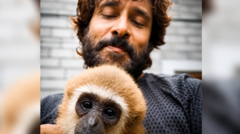
Indian actor's video with endangered gibbon sparks investigation
A short, now‑deleted clip of Tamil‑film star Vikram cuddling an endangered gibbon has ignited a formal inquiry in India. The video, posted on social media in early June 2024, showed the actor holding the primate in a forested area near Chennai. Authorities are probing how the protected animal entered the country and whether wildlife‑protection laws were breached. The case matters because it highlights gaps in enforcement of India’s wildlife‑conservation framework and the potential misuse of celebrity influence.
Key takeaways
- A deleted video of actor Vikram with a gibbon triggered a wildlife‑law investigation.
- Officials are examining illegal import routes for the endangered primate.
- The incident raises public awareness of India’s strict animal‑protection statutes.
- Ongoing scrutiny may affect the actor’s upcoming film promotions and endorsements.
Background
India classifies several gibbon species as endangered under the Wildlife Protection Act of 1972. Importing, possessing, or trading these primates without a licence can result in heavy fines and imprisonment. In recent years, illicit wildlife trade has surged, prompting tighter border checks and harsher penalties. The controversy surrounding Vikram’s video emerges amid broader concerns about celebrity involvement in environmental issues, a theme also covered in the world section of our reporting.
What happened
In early June, a fan‑recorded video surfaced on Instagram, showing Vikram gently holding a small gibbon in a lush, shaded backdrop. The clip quickly amassed millions of views, prompting fans to celebrate the star’s “love for animals.” Within hours, wildlife‑crime specialists from the Ministry of Environment, Forest and Climate Change issued a notice demanding the video’s removal and launched a fact‑finding mission. The video was subsequently deleted, but screenshots persisted, fueling online debate and prompting the actor’s publicist to issue a brief statement that the animal was “under the care of a licensed sanctuary.”
Why it matters
The episode underscores several critical issues:
- Legal enforcement: It tests the robustness of India’s wildlife‑protection enforcement when high‑profile personalities are involved.
- Public perception: Celebrities can shape attitudes toward conservation; mishandling can unintentionally normalise illegal wildlife interactions.
- International scrutiny: As wildlife trafficking is a trans‑national crime, the case may attract attention from bodies such as CITES, echoing concerns raised in other global stories, for example the UK economy grows between April and June but experts warn of challenges in coming months article that highlighted regulatory gaps in different sectors.
- Policy implications: The investigation could prompt stricter licensing requirements for animal handling in media productions, similar to calls for tighter controls noted in the Japan PM says Putin's visit to disputed islands 'absolutely unacceptable' coverage of diplomatic accountability.
What happens next
The wildlife crime unit will interview the film crew, the sanctuary allegedly involved, and customs officials to trace the gibbon’s origin. If violations are confirmed, the case could lead to fines, confiscation of the animal, and possible prosecution of those responsible. Vikram’s team has pledged full cooperation and may face a public‑relations campaign to restore his image. Meanwhile, conservation NGOs are urging the government to use the incident as a catalyst for broader public education on endangered species protection. Readers can follow updates on Chronicle News for real‑time developments.
Frequently asked questions
Was the gibbon legally owned?
Authorities have not yet confirmed whether the gibbon was held under a valid licence, which is required for any endangered species in India.
Could the video have been staged?
While the actor’s representatives claim the animal was from a licensed sanctuary, investigators are examining production logs to determine if the scene was staged or filmed on location.
What penalties could be imposed?
If wildlife‑law breaches are proven, penalties can include up to three years in prison, fines up to ₹25,000, and confiscation of the animal, according to the Wildlife Protection Act.
Bottom line
The investigation into Vikram’s gibbon video tests India’s wildlife‑protection regime and highlights the influence of celebrity culture on conservation narratives. Reporting by [BBC News](https://www.bbc.co.uk/news/articles/c9q9351yp1xo?at_medium=RSS&at_campaign=rss