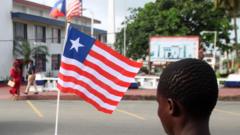
Liberia agrees to accept 1,200 foreign deportees from the United States
Mon, 19 Aug 2026 – Monrovia
Liberia announced on Tuesday that it will receive 1,200 people slated for deportation from the United States under a “humanitarian arrangement.” The agreement, signed by Liberia’s Ministry of Foreign Affairs and the U.S. Department of Homeland Security, carries no financial compensation for the West African nation. The move is expected to influence bilateral ties, migration policy debates, and the lives of diaspora families across both continents.
Key takeaways
- Liberia will take in 1,200 U.S. deportees under a humanitarian pact, with no monetary aid.
- The arrangement highlights growing pressure on the U.S. to resolve backlogs in immigration courts.
- Critics argue the deal could strain Liberia’s limited social services and infrastructure.
- The agreement may set a precedent for other African states negotiating similar deals.
Background
The United States has faced mounting criticism for its protracted immigration detention system, where thousands await removal orders. In recent years, deportations to African nations have risen, prompting diplomatic outreach to countries with historic ties to the U.S. The Liberian diaspora, estimated at over 400,000, has long advocated for a humane approach to repatriation. Liberia’s government, still recovering from the 2014‑2016 Ebola crisis and subsequent economic shocks, has previously declined offers that included financial incentives, emphasizing humanitarian motives instead.
What happened
During a press conference in Monrovia, Foreign Minister Martha Doe confirmed that Liberia had reached a “humanitarian arrangement” with the United States to accept 1,200 deportees. The decision was framed as a gesture of solidarity with families separated by migration enforcement. No cash payments or material aid will accompany the transfer, a point the Liberian side stressed to avoid the perception of “buy‑in” politics.
The United States will coordinate the logistics through its Office of Refugee Resettlement, ensuring that each individual meets Liberia’s entry criteria, including health screenings and background checks. The first group of deportees is expected to arrive at Roberts International Airport within the next two weeks.
Why it matters
- Human rights implications: The arrangement underscores the need for humane treatment of migrants, aligning with international standards cited by organisations such as the UNHCR.
- Domestic pressure in Liberia: While some view the pact as a moral duty, local NGOs warn that the sudden influx could overburden health clinics, schools, and housing, especially in rural districts.
- U.S. policy ripple effects: By partnering with Liberia, Washington may signal a shift toward regional solutions for removal cases, influencing ongoing debates in Congress and among advocacy groups.
The story has already sparked commentary across the world news sphere, with analysts drawing parallels to earlier agreements with Ghana and Kenya. For a broader view of how migration issues intersect with other global headlines, see the latest coverage on Chronicle News.
What happens next
Liberia’s Ministry of Health will launch a rapid‑assessment program to evaluate the newcomers’ medical needs, while the Ministry of Education plans supplemental tutoring for any children among the deportees. The United States has pledged to share relevant documentation to expedite processing but has not offered direct funding.
Stakeholders expect a follow‑up meeting in September to review the arrangement’s impact and explore possible extensions or modifications. Meanwhile, advocacy groups on both sides of the Atlantic are urging transparent reporting on the deportees’ integration outcomes.
Frequently asked questions
How were the 1,200 deportees selected?
Individuals were chosen from U.S. immigration court dockets where removal orders were final, and who met Liberia’s health and security criteria.
Will the deportees receive any support upon arrival?
Liberia will provide basic reception services, including temporary shelter and medical screening, but no additional financial assistance is part of the agreement.
Could this deal lead to more African nations accepting U.S. deportees?
Experts suggest the precedent may encourage other countries to negotiate similar humanitarian arrangements, though each will weigh its own capacity and political considerations.
Bottom line
Liberia’s acceptance of 1,200 U.S. deportees marks a notable humanitarian gesture without financial compensation, raising questions about capacity and precedent. The reporting is based on information from BBC News.