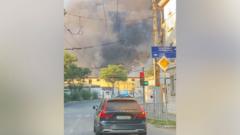
Russian grain export terminals in the Black Sea were targeted by Ukrainian forces in a recent escalation of the ongoing conflict. The strikes, carried out on Wednesday, aim to disrupt Russia’s agricultural exports, a major pillar of its economy. This marks another critical blow in a series of reciprocal attacks on port infrastructure by both nations. The conflict’s impact on global grain prices and food security continues to grow, raising international concern.
Key Takeaways
- Ukrainian forces targeted Russian grain terminals in the Black Sea on Wednesday.
- The attack follows Russia's strikes on Ukraine’s own grain export facilities.
- Global grain prices may surge as export disruptions deepen.
- Food security concerns are rising due to reduced shipments from both nations.
Background
The Black Sea region plays a pivotal role in global grain exports, accounting for nearly 30% of the world’s wheat trade. Both Russia and Ukraine are major exporters, with the latter heavily reliant on these shipments for its economy. Since Russia’s withdrawal from the Black Sea Grain Initiative in July, tensions have escalated, with reciprocal strikes targeting port infrastructure.
Ukraine recently accused Russia of weaponizing food exports by attacking its grain facilities in Odesa and Mykolaiv. In response, Kyiv has intensified its focus on Russian infrastructure.
What Happened
Ukraine launched a series of strikes on Wednesday targeting Russian grain terminals near Novorossiysk and Taman in the Black Sea. These terminals are critical hubs for Russia’s agricultural exports, handling millions of tons of grain annually. Satellite imagery and eyewitness reports confirmed significant damage to port facilities.
Experts believe this attack is a direct response to recent Russian strikes on Ukrainian ports in Odesa. Moscow has labeled the strikes as sabotage and vowed retaliatory measures, further escalating tensions in the world grain market.
Why It Matters
The attacks on Black Sea ports by both countries threaten global food security. Ukraine and Russia collectively supply grain to countries across Africa, the Middle East, and Asia. Disruption of these exports could spike grain prices and push vulnerable countries into deeper food crises.
This escalation also signals a shift in the conflict’s economic warfare tactics. Russia and Ukraine are targeting each other's lifelines, creating ripple effects that extend far beyond the battlefield. The global community, including organizations like the UN, has called for renewed diplomatic discussions to stabilize the region.
What Happens Next
As tensions rise, further attacks on Black Sea port infrastructure remain a looming possibility. Analysts warn that prolonged disruptions could lead to long-term instability in grain markets. Ukraine has also hinted at expanding its military strategy to target other critical Russian assets.
Meanwhile, international pressure is mounting for both nations to return to negotiations, as global food insecurity worsens. Efforts to revive the Black Sea Grain Initiative may gain traction amid mounting concerns from importing countries.
Frequently Asked Questions
What is the Black Sea Grain Initiative?
The Black Sea Grain Initiative was a UN-backed deal brokered in 2022 to facilitate grain exports from Ukraine amidst the war. Russia withdrew from the agreement in July 2023, citing security concerns and unmet promises, leading to increased attacks on port infrastructure.
How will this impact global grain prices?
Disruptions to Black Sea exports from both Russia and Ukraine are likely to push grain prices higher. This could exacerbate food insecurity in import-dependent regions, particularly in Africa and the Middle East.
Can diplomatic negotiations resolve the conflict?
While diplomatic negotiations could stabilize food exports, the deepening military conflict between Russia and Ukraine complicates the situation. Global pressure may encourage both nations to reconsider talks, but immediate solutions remain uncertain.
Bottom Line
Ukraine’s strikes on Russian grain terminals mark another escalation in the Black Sea conflict. As global food security hangs in the balance, the world watches anxiously for a resolution. Reporting sourced from BBC News.