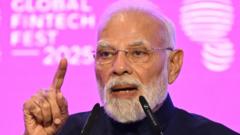
Indian Prime Minister Narendra Modi, known for his carefully cultivated image of strength and authority, is now experimenting with Gen Z-style social media reels. The shift, which has seen Modi sharing casual, meme-like content, is drawing both intrigue and skepticism in India, where young voters make up a significant demographic. The move comes as India prepares for general elections in 2024, raising questions about whether this pivot is aimed at securing the youth vote. The strategy marks a notable evolution in Modi's digital outreach, which has historically focused on more formalized messaging.
Key Takeaways
- Narendra Modi is adopting a casual, Gen Z-inspired social media strategy ahead of India's 2024 elections.
- The shift contrasts sharply with his traditional image of authority and nationalism.
- Young voters, who dominate India's electorate, appear to be the primary target of this new approach.
- Critics question the authenticity of this strategy, labeling it as performative and overly calculated.
Background
Narendra Modi has long been a master of political branding, portraying himself as a decisive, no-nonsense leader. Over the years, his government has leveraged social media platforms like Twitter and Facebook to connect with voters, disseminate policies, and craft Modi's image as a figure of strength. His speeches, carefully curated photo ops, and even his wardrobe choices have aligned with this narrative.
However, India is witnessing a generational shift. With over 50% of the population under the age of 25, the country's electorate is getting younger. Social media, particularly platforms like Instagram and YouTube, are now central to shaping public opinion among Gen Z. This new focus on informal, relatable content appears to be Modi's attempt to stay relevant in a rapidly changing digital landscape.
What Happened
In recent months, Modi's social media accounts have taken a surprising turn. Gone are the purely formal posts and traditional photo ops. Instead, followers are seeing short, playful reels featuring Modi in candid moments, set to trending music or infused with meme-like captions. From clips of him feeding animals to interactions with children, the content marks a significant departure from his usual tone.
The strategy has sparked widespread discussion online. Supporters praise Modi for adapting to modern trends and connecting with younger audiences. Critics, however, argue that the approach feels disingenuous and at odds with the serious persona he has long projected. Some have gone as far as to accuse the Prime Minister of trivializing the office for political gain.
Why It Matters
India's youth wield significant political power, making up a majority of the voting population. With general elections scheduled for 2024, Modi's Bharatiya Janata Party (BJP) is keenly aware of the need to engage this demographic. By adopting the language and formats native to Gen Z, Modi could potentially tap into a vast pool of first-time and younger voters.
However, this strategy is not without risks. Critics argue that the shift could alienate older, more traditional segments of his base who resonate with his established image. Furthermore, if the content is perceived as inauthentic, it could backfire, leading to skepticism about the Prime Minister's motivations.
What Happens Next
The success of Modi's Gen Z-inspired social media campaign will likely depend on its execution and reception. If the reels are able to strike a balance between relatability and authenticity, they could enhance his appeal to younger voters. On the other hand, missteps could expose him to further criticism, especially as the 2024 elections draw closer.
Observers will also be watching how opposition parties respond. Will they emulate Modi's digital strategy, or will they double down on traditional messaging? The evolving digital battleground will undoubtedly play a crucial role in shaping India's political landscape in the months to come.
Frequently Asked Questions
Why is Modi targeting Gen Z with social media reels?
India's youth make up the largest voting bloc in the country. By sharing relatable, casual content, Modi aims to connect with this demographic and potentially secure their votes ahead of the 2024 elections.
How are voters reacting to this strategy?
Reactions are mixed. While some praise Modi for adapting to modern trends, others criticize the approach as inauthentic and overly calculated. The strategy's effectiveness will likely depend on how voters perceive its sincerity.
Could this strategy backfire?
Yes, there's a risk that Modi's pivot to Gen Z content could alienate older voters or come across as performative. If the reels are seen as lacking authenticity, they could undermine his credibility.
Bottom Line
Narendra Modi's embrace of Gen Z reels signals a significant shift in his digital strategy as India heads toward pivotal elections. Whether this gamble pays off remains to be seen, but it underscores the growing influence of social media in modern politics. Reporting attributed to BBC News.
Related Reading
- Russian strikes on Ukraine kill two, officials say, a day after deadly attack on mall
- Michael Polansky is training an AI model on skin that’s still alive
- Japanese space tech startup Letara expands beyond satellite thrusters with $16M
- 'We have more work to do', says Canada negotiator as US trade deadline looms
- How this 1960s ex-council house is managing to stay cool without air con