Palestinians Told to Leave Homes in Village Where Israeli Settlers Besieged Houses
The mayor of Qusra, a West Bank village, says Israeli troops have ordered families to vacate their homes while turning some properties into military barracks. The directive came on Monday, April 29, 2024 and follows weeks of settler‑led intimidation that left dozens of homes surrounded by fences and armed patrols. Residents fear forced displacement, a move that could inflame already‑tense Israeli‑Palestinian relations and draw further international criticism. The episode underscores a broader pattern of settlement expansion and civilian hardship in occupied territories.
Key takeaways
- Israeli forces are using Qusra homes as temporary barracks, forcing families to leave.
- The mayor reports settlers have besieged houses for weeks, heightening tension.
- Displacement could trigger legal challenges and renewed diplomatic pressure on Israel.
- The situation exemplifies the clash between settlement growth and Palestinian rights.
Background
Qusra lies south of Nablus in the occupied West Bank, an area dotted with Israeli outposts deemed illegal under international law. Over the past year, the village has seen a surge in settler activity, including land seizures and roadblocks that restrict movement. Human‑rights groups such as B’Tselem have documented similar tactics elsewhere, noting that barracking civilian homes often precedes demolition orders. The latest development fits a pattern of “protective” measures cited by the Israeli Defense Forces (IDF) to justify military presence in civilian spaces.
What happened
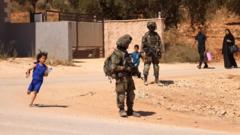
On April 29, IDF soldiers arrived in armored vehicles and began cordoning off several homes in Qusra. According to the mayor, troops told the occupants they must vacate within 24 hours, citing security needs while simultaneously setting up sleeping quarters inside the houses. Settlers, some armed, maintained a perimeter, preventing residents from returning. The mayor appealed to the Palestinian Authority and international observers, warning that the forced evacuation could become permanent if demolition plans proceed.
Why it matters
The forced evacuation raises several legal and humanitarian concerns. Under the Fourth Geneva Convention, the occupying power must protect civilian property and prohibit collective punishment. Using homes as barracks blurs the line between military necessity and punitive action, potentially constituting a violation of international norms. Politically, the incident adds pressure on Israel ahead of upcoming diplomatic talks in Washington, where settlement policy remains a sticking point. It also fuels Palestinian grievances that could ignite wider unrest in the West Bank.
What happens next
Human‑rights NGOs have called for an urgent investigation, urging the IDF to reverse the orders and restore the homes to their owners. The Palestinian Authority is expected to file a petition with Israel’s Supreme Court, a route that has yielded mixed results in past cases. Meanwhile, the United Nations Office for the Coordination of Humanitarian Affairs (OCHA) plans to monitor the situation and report any escalation. International media, including BBC News, are tracking the story, and pressure may mount for a diplomatic resolution.
For readers interested in broader coverage of world affairs, visit our Chronicle News homepage or explore the full archive of all articles.
Frequently asked questions
Who ordered the residents of Qusra to leave?
The orders came from Israeli soldiers on the ground, who said the move was needed for security reasons.
How many families are affected?
The mayor indicated that several households—exact numbers were not disclosed—have been told to evacuate.
What legal avenues exist for the displaced residents?
They can appeal to the Israeli civil‑military court system and seek intervention from international bodies such as the UN or the International Court of Justice.
Bottom line
Israeli troops have turned Qusra homes into temporary barracks, forcing residents to leave amid heightened settler pressure. The episode highlights the fragile balance between security claims and civilian rights in the occupied West Bank, as reported by BBC News.