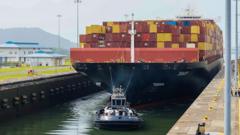
The Panama Canal Authority has announced it will reduce the number of ships transiting through the vital waterway due to ongoing drought conditions caused by El Niño. The decision, expected to take effect immediately, comes as rainfall levels in the region remain critically low, affecting water levels in the canal's reservoirs. As one of the key arteries for global trade, the move could disrupt supply chains and lead to increased shipping costs.
Key Takeaways
- Panama Canal restricts daily ship transits amid severe drought tied to El Niño weather pattern.
- Reservoirs supplying the canal face critically low water levels due to reduced rainfall.
- Global supply chains may experience delays and higher costs from reduced shipping capacity.
- Decision highlights vulnerabilities of maritime trade routes to climate-related disruptions.
Background
The Panama Canal, a man-made waterway linking the Atlantic and Pacific oceans, is a cornerstone of global trade. Each year, over 13,000 vessels pass through its locks, carrying goods ranging from oil to consumer products. The canal relies on freshwater reservoirs to function, as the locks use millions of gallons of water to lift ships to the level of the canal and lower them back down.
However, rainfall in Panama has been well below average due to El Niño, a periodic climate phenomenon that disrupts weather patterns worldwide. The drought has intensified over recent months, causing water levels in the canal’s reservoirs to drop to alarming levels.
What Happened
The Panama Canal Authority announced it would limit the number of daily transits through the canal to 32 ships, down from an average of 36. Additionally, restrictions have been placed on vessel draft, meaning ships must reduce their loading weight to navigate the shallower waters.
This decision follows previous measures enacted earlier this year to manage water usage. Authorities had warned that stricter limits could become necessary if rainfall did not improve, and now those warnings have materialized.
Why It Matters
The Panama Canal is a critical chokepoint for global trade, and reduced capacity could ripple through supply chains worldwide. Industries reliant on just-in-time shipping, such as retail and manufacturing, may face delays as fewer vessels pass through the canal each day.
Additionally, higher shipping costs could result from the need for alternative routes or lighter shiploads. These costs may ultimately be passed on to consumers, contributing to inflationary pressures. The situation underscores how climate-related events, such as droughts and extreme weather, can disrupt international trade and economic stability.
What Happens Next
Authorities are closely monitoring rainfall levels and may impose further restrictions if drought conditions persist. Meanwhile, companies using the canal will need to adapt, potentially rerouting shipments or negotiating higher freight rates.
Long-term solutions, such as water conservation initiatives and investment in canal infrastructure, are being considered to mitigate future disruptions. However, these measures will take years to implement, leaving the canal vulnerable to immediate climate impacts.
Frequently Asked Questions
What is El Niño?
El Niño is a climate pattern characterized by warmer-than-average sea surface temperatures in the Pacific Ocean, which disrupt global weather systems. It often leads to increased droughts in some regions and heavy rainfall in others, with significant economic and environmental consequences.
How does the drought affect the Panama Canal?
The canal relies on freshwater reservoirs to operate its locks, but reduced rainfall has lowered these water levels. Without enough water, the number of ships transiting the canal must be limited, and vessel loading capacities are restricted.
Will this impact global trade?
Yes, reduced capacity in the Panama Canal is likely to delay shipments and increase shipping costs. Industries dependent on maritime trade, such as retail and manufacturing, may face disruptions, and the costs could trickle down to consumers.
Bottom Line
The Panama Canal's decision to restrict ship transits highlights the growing challenges posed by climate change to global infrastructure. As drought conditions persist, trade disruptions may amplify. Reporting by BBC News.