Prime Minister admits cost‑of‑living help falls short and hints at further support
The United Kingdom’s prime minister said on Thursday that the suite of cost‑of‑living measures introduced since taking office three weeks ago does not go far enough for many families. The admission was made during a live press briefing in London, where the leader also signalled that additional assistance could be on the way. The statement matters because it comes as inflation remains high and household budgets are under pressure, raising questions about the government’s fiscal strategy and political credibility.
Key takeaways
- The PM acknowledged that existing relief packages are insufficient for many vulnerable households.
- New support could target energy bills, childcare and food costs, though details remain vague.
- Opposition parties are demanding a clear timetable and transparent funding sources.
- The announcement may influence upcoming polls and the broader business climate.
Background
Since becoming prime minister on 5 July, the new administration has rolled out a “rake of measures” aimed at easing inflation‑driven strain. These include a temporary uplift to Universal Credit, a freeze on council tax for low‑income properties, and a modest extension to the fuel‑price guarantee. Critics argue that the relief is fragmented and fails to address the cumulative impact of rising prices on everyday living costs.
What happened
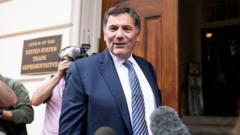
During a televised briefing, the prime minister said, “We have taken steps, but they are not enough for many families.” He referenced recent data from the Office for National Statistics showing that real wages are still falling behind price growth. The leader also hinted that a “new package” could be announced within weeks, focusing on energy affordability and childcare support. The comment was echoed on the government’s official website, which linked to a statement on the Treasury’s plans for further fiscal measures.
Why it matters
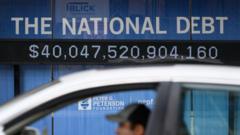
The admission signals a shift from the government’s earlier narrative that its initial measures were “sufficient.” It also puts pressure on the Treasury to justify additional spending amid a growing budget deficit. For the Chronicle News readership, the development could affect market confidence, as investors watch for signals about future tax or borrowing decisions. Moreover, households facing soaring utility bills may see relief sooner if the hinted support materialises.
What happens next
Analysts expect the Treasury to publish a detailed proposal within the next fortnight, possibly including a targeted energy‑voucher scheme and expanded childcare tax credits. Opposition leaders have pledged to scrutinise the plan in Parliament, demanding clear eligibility criteria. Meanwhile, consumer groups are urging the prime minister to act quickly, warning that delays could deepen poverty levels. The outcome will likely shape the political narrative ahead of the autumn local elections.
Frequently asked questions
Is another cost‑of‑living package guaranteed?
The prime minister only hinted at further support; no formal commitment has been made, but the government is under pressure to act.
Which groups are expected to benefit most?
Early indications suggest low‑income families, renters with high energy costs, and parents with young children could receive targeted aid.
How will the new measures be funded?
The Treasury has not disclosed funding sources yet, though officials have mentioned a combination of borrowing and reallocating existing budgets.
Bottom line
The prime minister’s acknowledgment that current relief falls short opens the door to additional assistance, but details remain pending. The next few weeks will be crucial for households and the broader economy. Reporting by BBC News.