Powerful magnitude 7.7 earthquake kills at least 47 in Indonesia
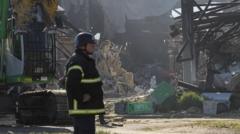
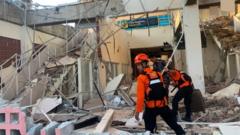
A shallow magnitude‑7.7 tremor struck the island of Flores in eastern Indonesia early Thursday, killing at least 47 people and injuring dozens more. The disaster triggered landslides, collapsed homes and cut off road access to remote villages. Rescue crews from the National Search and Rescue Agency (Basarnas) are combing through rubble as aftershocks continue to rattle the area. The quake underscores Indonesia’s vulnerability to seismic activity and raises urgent humanitarian concerns.
Key takeaways
- At least 47 people confirmed dead, with dozens more injured across Flores island.
- Rescue teams from Indonesia’s National Search and Rescue Agency are combing rubble for survivors.
- The quake struck at 02:45 GMT, triggering landslides and damaging infrastructure in remote villages.
- International aid promises are being coordinated as the region grapples with potential aftershocks.
Background
Indonesia sits on the Pacific “Ring of Fire,” where tectonic plates collide and generate frequent earthquakes. Flores, part of the Lesser Sunda Islands, has experienced deadly quakes before, most notably the 1992 magnitude‑7.0 event that left over 2,000 dead. According to BBC News, the 2024 shock originated along the Flores Back‑Arc Thrust Fault, a known source of high‑intensity tremors. The nation's disaster‑response framework, refined after the 2004 tsunami, mobilises military, police and volunteer units within minutes.
What happened
At 02:45 GMT, residents of the town of Larantuka felt the ground shake violently, followed by a deafening roar. Buildings collapsed, and steep hillsides gave way, burying homes under meters of earth. Early reports from local officials confirmed 47 fatalities, with many more missing. Basarnas teams, supported by the Indonesian Armed Forces, have set up command posts in the capital city of Maumere and are using drones to map inaccessible zones. The quake also disrupted electricity, clean‑water supplies and communications, complicating rescue efforts.
Why it matters
The loss of life and infrastructure highlights the ongoing risk that Indonesia faces as one of the world’s most seismically active nations. The disaster strains already limited health services on Flores, where hospitals are small and lack intensive‑care capacity. Moreover, the event threatens the island’s tourism sector, a key economic driver that employs thousands of locals. The situation mirrors other recent crises covered by our platform, such as the Morocco detains dozens of migrants trying to cross into Ceuta, reports say and the [Great Britain storm to 4x100m relay gold](/articles/great-britain-storm