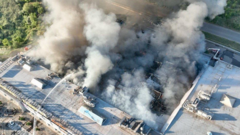
A Russian drone strike on a shopping mall in Kherson, Ukraine, has left 16 people dead and at least 130 injured, including 23 children, regional authorities report. The attack, described as a "double-tap strike," involved two consecutive drone hits, amplifying the devastation and complicating rescue efforts. The incident occurred on Monday, October 16, as civilians gathered in the mall, making it one of the deadliest single strikes in the ongoing conflict. Ukrainian officials have condemned the attack, calling it another violation of international laws protecting civilian areas, while Russia has denied targeting non-military locations.
Key Takeaways
- A double-tap drone strike in Kherson killed 16 civilians and injured over 130, officials confirmed.
- The attack targeted a busy shopping mall, with children among the injured, sparking global outrage.
- Ukrainian authorities claim this is a deliberate assault on civilians, violating international warfare norms.
- Russia denies targeting civilian areas, amid growing scrutiny over its military tactics in Ukraine.
Background
The war in Ukraine has stretched into its 20th month, with Kherson remaining a flashpoint since Russian forces retreated from the city in late 2022. Russia has increasingly relied on drone strikes as part of its military strategy, particularly Iranian-supplied Shahed drones, which have been deployed to target critical infrastructure and civilian areas. Ukrainian cities have borne the brunt of this tactic, with malls, hospitals, and residential zones frequently hit.
This latest attack in Kherson underscores the human cost of the conflict, as civilian casualties continue to rise. According to the world category, both Ukraine and Russia have accused each other of escalating the violence, but reports from independent sources, such as BBC News, suggest a pattern of deliberate strikes on densely populated civilian areas by Russian forces.
What Happened
The drone strike occurred at approximately 3:15 PM local time, targeting a shopping mall in Kherson where civilians were shopping and dining. Survivors described the attack as a "double-tap strike," a military tactic involving two consecutive hits to maximize damage and hinder rescue efforts. Emergency services rushed to the scene, but the second strike reportedly injured several first responders.
Regional Governor Oleksandr Prokudin confirmed the casualty figures, stating that 16 people were killed and 130 injured, including 23 children. Video footage from the scene shows debris scattered across the mall, with emergency crews working tirelessly to locate survivors. Ukrainian officials have called for an international investigation into the incident, accusing Russia of deliberately targeting civilians.
Why It Matters
The attack highlights the growing use of "double-tap strikes," which are considered violations of international war protocols. Civilian infrastructure, including malls and schools, has increasingly become a target in the conflict, raising questions about the legality of Russia's military tactics.
This strike also underscores the psychological toll on Ukrainian citizens, who face constant threats even in spaces traditionally considered safe. The inclusion of children among the casualties adds to the urgency of addressing these attacks, with Ukrainian President Volodymyr Zelensky calling on global leaders to impose stricter sanctions on Russia.
Deeper Analysis
Russia's use of drone warfare has shifted the dynamics of the conflict, allowing attacks on civilian areas with precision and reduced risk to its own forces. The escalation in drone strikes raises concerns about the accessibility and proliferation of unmanned aerial vehicles in modern warfare.
Ukraine's counter-drone capabilities have improved, but incidents like this reveal gaps in its air defense systems, which are already stretched thin protecting critical infrastructure. International support, including advanced technology and funding, will be pivotal in helping Ukraine shore up defenses against such attacks.
Observers also note that Russia's tactics may be aimed at breaking civilian morale in Ukraine, a strategy seen in previous conflicts. However, international condemnation and increasing scrutiny may lead to further isolation of Russia on the global stage, as nations like Canada and Japan ramp up their political and economic support for Ukraine, as seen in recent developments. Learn more about Japan's space tech expansion.
What Happens Next
Ukraine is expected to intensify its calls for international intervention, particularly from NATO allies, to strengthen its air defense systems. Efforts to document and investigate war crimes will continue, with Ukrainian officials pushing for accountability at the International Criminal Court.
Meanwhile, Russia’s denial of targeting civilian areas is unlikely to mitigate international backlash, as evidence mounts against its use of drones in populated zones. Efforts to negotiate peace remain stalled, with both sides entrenched in their positions. Global attention will now turn to whether the international community imposes additional sanctions or increases military aid to Ukraine.
Frequently Asked Questions
What is a double-tap strike?
A double-tap strike is a military tactic where two consecutive attacks are launched at the same target. The first strike causes initial damage, while the second aims to target rescue teams or survivors, exacerbating the devastation.
How many children were injured in this attack?
According to the regional governor, 23 children were among the 130 injured in the drone strike. Ukrainian authorities have condemned the attack as a violation of international laws protecting civilians.
What has been the global reaction to this attack?
The attack has sparked outrage from global leaders, with calls for stricter sanctions against Russia and increased support for Ukraine. The incident adds fuel to the ongoing debate over war crimes and the legality of Russia's military tactics.
Bottom Line
The deadly drone strike in Kherson underscores the escalating human cost of the conflict in Ukraine, as civilian areas remain under constant threat. Reporting from BBC News provides crucial insights into the tragedy unfolding in the region.
Related Reading
- Michael Polansky is training an AI model on skin that’s still alive
- Japanese space tech startup Letara expands beyond satellite thrusters with $16M
- 'We have more work to do', says Canada negotiator as US trade deadline looms
- How this 1960s ex-council house is managing to stay cool without air con
- Lessons learned, but Coventry's top-flight return about more than result