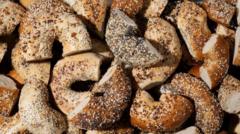
Singapore and South Korea pull Trader Joe’s seasoning over poppy seeds
Trader Joe’s “Everything But the Bagel” seasoning, a popular blend for breakfast‑style dishes, has been removed from shelves in Singapore and South Korea after regulators flagged its poppy‑seed content as illegal. The bans were announced in early August 2024 by the respective food safety agencies, prompting the US retailer to suspend sales and recall existing stock. The move highlights how differing drug‑control laws can affect global food brands and raises questions for shoppers who rely on imported products.
Key takeaways
- Singapore and South Korea banned the seasoning because poppy seeds are classified as a controlled substance.
- Trader Joe’s has halted distribution and is working with authorities to reformulate the blend.
- The incident underscores the need for multinational retailers to audit ingredient lists for every market.
- Consumers in affected countries must discard any remaining packets to avoid legal penalties.
Background
Poppy seeds, derived from the opium poppy plant, are legal in many Western markets but are restricted in several Asian jurisdictions due to their trace opiate content. Singapore’s Misuse of Drugs Act and South Korea’s Narcotics Control Act both list poppy seeds among prohibited items for food products. Trader Joe’s “Everything But the Bagel” seasoning, launched in the United States in 2019, contains a modest amount of ground poppy seeds to mimic the texture of a traditional bagel topping.
What happened
In the first week of August, food inspectors in Singapore detected poppy seeds during a routine laboratory test of the seasoning. A parallel investigation by South Korea’s Ministry of Food and Drug Safety yielded the same finding. Both agencies issued immediate import bans and ordered retailers to remove the product from shelves. Trader Joe’s responded by issuing a public statement, confirming the withdrawal and promising to work with regulators to develop a compliant version.
Why it matters
The bans illustrate how seemingly innocuous ingredients can trigger regulatory action across borders, affecting supply chains and brand reputation. For consumers, the episode serves as a reminder to check product labels, especially for imported goods that may contain ingredients restricted in their country. For the retail sector, it reinforces the importance of a global compliance framework that anticipates local drug‑control nuances before products reach market. The story also feeds into broader debates on food‑safety standards within the world community and the challenges of harmonising them.
What happens next
Trader Joe’s has pledged to reformulate the seasoning without poppy seeds and submit the new formula for approval in the two markets. In the meantime, the company will continue to sell the original blend in regions where it remains legal, while providing guidance to customers on how to safely dispose of existing packets. Industry observers expect other retailers to audit their own spice mixes, potentially prompting a wave of ingredient‑review initiatives across Asia. For ongoing coverage, follow updates on Chronicle News or browse the full archive of all articles.
Frequently asked questions
Why are poppy seeds illegal in Singapore and South Korea?
Both countries classify poppy seeds as a controlled substance because they can contain trace amounts of opiates, which are prohibited under national drug‑control legislation.
Will the seasoning be available again in the future?
Trader Joe’s says it is developing a poppy‑seed‑free version and will seek regulatory clearance before re‑entering the Singaporean and South Korean markets.
How can consumers check if a product contains restricted ingredients?
Readers can consult the ingredient list on the packaging, visit official food‑safety agency websites, or use trusted news sources such as the BBC.
Bottom line
Trader Joe’s “Everything But the Bagel” seasoning has been pulled from Singapore and South Korea due to banned poppy seeds, prompting a recall and reformulation effort. The incident underscores the complexities of global food regulation and the need for vigilant label checks. Reporting by BBC News.
Related reading
- Nicholas Hoult joins Harry Potter TV show - see the cast so far
- What time and where to see the solar eclipse in Scotland
- Reservoir raises $8M to make water heaters that people — and the grid — will actually want
- Wisconsin result halts winning streak for Democratic Party's left wing
- Gavin & Stacey star Melanie Walters completes Strictly line-up