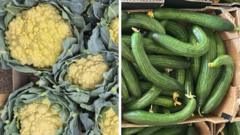
British shoppers are being encouraged to embrace an influx of aesthetically imperfect vegetables, including sun-tanned cauliflowers and knobbly potatoes, caused by this summer’s record-breaking heatwaves. Farmers across the UK have reported unusual growing conditions that are impacting the appearance of produce but not its taste or nutritional value. As climate change accelerates, industry experts say shoppers may need to adapt to seeing more “wonky” veg on supermarket shelves. This shift underscores the need for sustainable food practices in a warming world.
Key Takeaways
- UK heatwaves are making vegetables grow in unusual shapes, sizes, and colors.
- Aesthetic imperfections don’t affect taste, quality, or nutritional value, experts confirm.
- Farmers urge consumers to embrace "wonky" produce to reduce food waste.
- Climate-induced impacts on agriculture may reshape global food markets.
Background
The UK has experienced multiple heatwaves this summer, with temperatures soaring above average for consecutive days. These extreme weather patterns have significantly affected farming conditions, particularly for crops like cauliflowers and potatoes, which are highly sensitive to temperature changes. While the produce remains edible, its physical appearance has changed, leading to concerns about consumer acceptance.
Historically, supermarkets and shoppers have favored uniform, visually appealing fruits and vegetables, often rejecting those deemed “imperfect.” This preference has contributed to significant food waste, as farmers struggle to sell misshapen or blemished produce.
What Happened
British farmers have reported seeing vegetables develop unusual features due to the intense heat. Cauliflowers have taken on a sun-tanned hue, while potatoes are growing knobbly and irregular in shape. These changes are largely cosmetic, with no impact on the taste or nutritional quality of the produce.
Supermarkets are now preparing to stock more of these imperfect vegetables, urging consumers to shift their expectations. Industry leaders are also pushing for a broader conversation about food sustainability, emphasizing the importance of reducing food waste by accepting cosmetically flawed crops.
Why It Matters
The rise of “wonky veg” highlights the growing challenge of climate change on agriculture, an industry integral to both food security and global economies. Heatwaves and extreme weather conditions are expected to become more frequent, potentially disrupting farming patterns and crop yields worldwide.
By embracing imperfect produce, consumers can play a role in reducing food waste, a critical issue in the fight against climate change. Retailers and farmers alike hope this shift will encourage sustainable practices, ensuring that more food makes it from farm to table instead of landfill.
Additionally, the trend could reshape supermarket policies and marketing strategies, which have traditionally prioritized aesthetic perfection over environmental responsibility. As the issue gains attention, it’s poised to impact the business of agriculture and retail on a larger scale.
What Happens Next
Supermarkets are expected to launch awareness campaigns to educate shoppers about the benefits of buying wonky vegetables. Farmers will likely continue to adapt their growing techniques to cope with changing weather patterns, though long-term solutions to climate challenges remain uncertain.
Policy changes incentivizing the sale of imperfect produce may also emerge, as governments and industry leaders recognize the need to support sustainable agriculture. Consumer behavior will play a pivotal role in determining the success of these initiatives.
Frequently Asked Questions
What causes vegetables to grow imperfectly during heatwaves?
Prolonged exposure to high temperatures can disrupt normal growth patterns in crops, affecting their shape, size, and coloration. Sunlight intensity may also lead to discoloration, such as the “sun-tanned” effect seen in cauliflowers.
Are imperfect vegetables safe to eat?
Yes, vegetables with aesthetic imperfections are completely edible and retain their nutritional value. Farmers and experts confirm that the taste and quality are unaffected by their appearance.
How can consumers help reduce food waste?
Consumers can support the sale of wonky vegetables by purchasing them and advocating for their inclusion in supermarkets. Accepting imperfect produce helps farmers sell their crops and prevents perfectly edible food from being discarded.
Bottom Line
The UK heatwave has transformed the appearance of everyday vegetables, sparking conversations about food sustainability and climate impacts on agriculture. Reporting by BBC News highlights the urgent need for consumer acceptance of “wonky veg.”