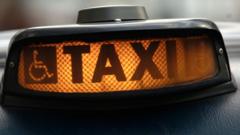
Taxi drivers in the UK are pressing local councils to approve an 8% fare increase to address mounting financial pressures. Rising fuel costs and the broader cost of living crisis have left many drivers struggling to make ends meet, they say. The proposal, currently under review, is expected to have significant implications for both drivers and passengers if approved. The debate highlights the challenges faced by the transportation sector in a volatile economic climate.
Key Takeaways
- Taxi drivers are requesting an 8% fare hike to offset rising operational costs.
- Fuel prices and inflation are major factors driving the demand for higher fares.
- Local councils are evaluating the proposal as part of their public transportation policies.
- A decision could impact both passengers’ expenses and drivers’ livelihoods.
Background
The ongoing cost of living crisis, exacerbated by surging inflation and volatile energy prices, has affected various sectors of the economy, including transportation. Taxi drivers, who are often self-employed, have been hit particularly hard. Rising fuel costs, vehicle maintenance expenses, and other operational fees have significantly cut into their earnings. As a result, many drivers are struggling to sustain their businesses while providing affordable services to customers.
In the UK, taxi fares are regulated by local councils, which periodically review rates to reflect market conditions. Drivers are now calling on councils to approve an 8% fare hike, arguing that it’s essential to maintain the viability of their profession.
What Happened
At a recent council meeting, representatives of taxi associations presented their case for an 8% fare increase. They cited rising fuel costs, which have surged by over 20% in some areas, as a primary reason for their request. Additionally, they pointed out that inflation and higher living expenses are eroding their earnings, leaving many drivers unable to cover basic costs like insurance, licensing, and vehicle maintenance.
The proposal has sparked mixed reactions. Some passengers have expressed concerns about affordability, particularly for those who rely on taxis as their primary mode of transportation. Meanwhile, drivers argue that without a fare adjustment, many will be forced to leave the industry entirely, leading to longer wait times and reduced availability of services.
Why It Matters
The outcome of this fare hike request could have far-reaching implications for the business of taxi services and the broader public. For drivers, the increase represents a potential lifeline in a challenging economic environment. Many argue that without it, the sector may see an exodus of workers, exacerbating transportation gaps in both urban and rural areas.
For passengers, however, an 8% fare increase could add financial strain, particularly for those who rely on taxis for essential travel. It also raises questions about the balance between ensuring fair wages for drivers and maintaining affordability for the public. This issue comes at a time when public transportation systems are under pressure to modernize and adapt to changing consumer demands.
Deeper Analysis
The request for an 8% fare hike underscores larger economic challenges facing the UK. According to the BBC News, inflation rates remain at record highs, driven by a combination of global supply chain disruptions and soaring energy prices. These factors have significantly raised the cost of goods and services across the board.
For taxi drivers, fuel costs represent one of their largest expenses. With petrol and diesel prices climbing steadily, drivers are left with a difficult choice: absorb the costs and see their profits erode or pass the increase onto customers. However, this decision is not without risks, as higher fares could deter passengers from using taxi services altogether.
In addition to fuel costs, drivers also face rising costs for vehicle maintenance, insurance, and licensing. These expenses, combined with stagnant wages, create a precarious financial situation for many in the industry. Without intervention, some drivers warn that the industry could face a significant labor shortage, further straining local transportation networks.
What Happens Next
Local councils are expected to review the fare hike proposal in the coming weeks. The decision-making process will likely involve consultations with both drivers and passenger advocacy groups to gauge the potential impact on all stakeholders. If approved, the fare increase could be implemented as early as the end of the year.
Meanwhile, industry experts are calling for broader measures to support taxi drivers, including potential subsidies for fuel or tax breaks. These measures, they argue, could help stabilize the industry while minimizing the financial burden on passengers. The debate continues as stakeholders await the councils’ decisions.
Frequently Asked Questions
Why are taxi drivers asking for an 8% fare increase?
Taxi drivers are requesting the increase to address rising fuel prices and the overall cost of living. Without the hike, many drivers fear they will be unable to cover operational expenses and may leave the industry.
How will this fare hike impact passengers?
If approved, passengers will see an 8% increase in taxi fares, potentially making transportation less affordable. However, the increase aims to ensure a sustainable taxi service for the community.
When will a decision on the fare increase be made?
Local councils are currently reviewing the proposal. A final decision is expected within the next few weeks.
Bottom Line
The proposed 8% taxi fare hike reflects the broader economic challenges facing the transportation industry. As local councils deliberate, the decision will have significant implications for both drivers and passengers. Reporting attributed to BBC News.