Unprecedented rains in Japan kill six people
A series of record‑breaking rainstorms slammed Japan’s central and eastern regions on 23 July, flooding rivers and triggering landslides that claimed six lives. The deluge knocked out electricity for more than 20,000 households and stranded roughly 7,000 travellers at Tokyo’s Narita International Airport. Emergency services, the Self‑Defense Forces and local volunteers worked through the night to rescue residents and restore critical infrastructure. The event underscores how climate‑driven extremes are reshaping disaster preparedness across the country and the wider world.
Key takeaways
- Six fatalities were confirmed as unprecedented rains triggered landslides and flash floods.
- Power outages affected over 20,000 homes, compounding the humanitarian response effort.
- About 7,000 passengers were left stranded at Narita Airport amid runway closures.
- Authorities have declared a state of emergency in three prefectures, mobilising military assets.
Background
Japan’s rainy season, known locally as tsuyu, typically peaks in June and July, but this year’s precipitation far exceeded historic averages. The Japan Meteorological Agency recorded cumulative rainfall of 350 mm in parts of Shizuoka and Kanagawa—more than double the normal monthly total. Climate scientists have linked the intensity of such events to rising sea‑surface temperatures in the Pacific, a trend highlighted in recent IPCC reports. The affected areas are densely populated, with major transport hubs and industrial zones that amplify the socioeconomic impact of any disruption.
What happened
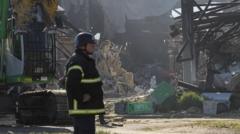
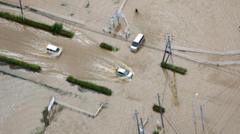
On the evening of 22 July, a low‑pressure system stalled over the Honshu island chain, dumping torrential rain for over 24 hours. By early morning on the 23rd, swollen rivers breached embankments in the towns of Fujinomiya and Numazu, sweeping away vehicles and damaging homes. Landslides on the mountainous outskirts of Tokyo blocked access roads, trapping residents and forcing evacuation orders. At Narita Airport, waterlogged runways forced a complete shutdown of departures and arrivals, leaving 7,000 travellers in limbo and prompting airlines to reroute flights to Osaka and Osaka’s Kansai International Airport.
Why it matters
The loss of six lives is a stark reminder that even a highly prepared nation can be overwhelmed by sudden, extreme weather. Power cuts to more than 20,000 households disrupted heating, medical equipment and communication networks, highlighting vulnerabilities in the grid. The airport shutdown reverberated through global supply chains, delaying cargo shipments of electronics and automotive parts that Japan exports worldwide. Moreover, the disaster adds pressure on local governments to accelerate climate‑adaptation projects, such as flood‑control reservoirs and early‑warning systems, to safeguard both residents and the economy.
Deeper analysis
- Climate context – Recent research from the University of Tokyo shows a 15 % rise in heavy‑rain events over the past two decades, aligning with the patterns observed in this storm. The phenomenon is consistent with the broader trend of intensified hydrological cycles across East Asia.
- Infrastructure resilience – Japan’s stringent building codes have historically reduced casualty rates in earthquakes, yet many older residential structures lack adequate flood‑proofing. The recent event exposed gaps in municipal drainage capacity, especially in rapidly urbanising suburbs.
- Economic ripple effects – The forced grounding of flights at Narita created a cascade of cancellations, affecting tourism revenue estimated at ¥1.2 billion per day during peak summer travel. Businesses dependent on just‑in‑time delivery reported inventory shortages, prompting a short‑term price spike for imported goods.
- Social response – Community groups and NGOs mobilised quickly, distributing sandbags, food and blankets. Social media platforms played a crucial role in coordinating volunteer efforts, mirroring the rapid response seen during the 2018 Kumamoto floods.
For a broader look at how unexpected tragedies are covered, see the recent story on a rising golf star’s sudden death — “Rising golf star, 18, dies after brain haemorrhage”—and the parallel in sports governance covered in “New Zealand break with OFC to withdraw Infantino support”.
What happens next
The Japanese government has declared a state of emergency in Shizuoka, Kanagawa and Chiba prefectures, unlocking disaster‑relief funds and authorising the Self‑Defense Forces to assist with debris removal. Restoration crews are working around the clock to repair damaged power lines, with an estimated 80 % of outages expected to be resolved within 48 hours. Meanwhile, the Ministry of Land, Infrastructure, Transport and Tourism is conducting a post‑event assessment to identify weak points in the national flood‑control network. Experts anticipate that the cabinet will introduce stricter zoning regulations for construction in flood‑prone zones later this year.
Travelers stranded at Narita are being accommodated in nearby hotels, and airlines are offering re‑booking vouchers. The airport authority has pledged to upgrade drainage systems to cope with future extreme events, a move that aligns with the broader push for climate‑resilient infrastructure across the nation.
Frequently asked questions
How many people were directly affected by the power outage?
More than 20,000 households lost electricity, impacting an estimated 50,000 individuals who rely on grid power for heating and medical devices.
What measures are being taken to prevent similar disasters?
The government is accelerating flood‑control projects, revising building codes for better water‑resistance, and expanding early‑warning alerts for heavy‑rain events.
Will the airport resume normal operations soon?
Narita Airport expects to restore limited flight operations within 24 hours, with full service projected to return in 48‑72 hours once runway drainage is cleared.
Bottom line
The unprecedented July rainstorms in Japan have claimed six lives, knocked out power for thousands and stranded thousands of travellers, highlighting urgent climate‑adaptation needs. Reporting by BBC News.
Related reading
- Rising golf star, 18, dies after brain haemorrhage
- New Zealand break with OFC to withdraw Infantino support
- Who am I? Guess Premier League star No 25
- How Maresca's Man City are shaping up compared with Guardiola side
- Hidden moth population found after 70 years
Read more stories on Chronicle News or explore the full archive at all articles.