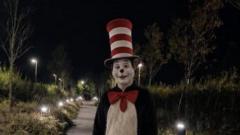
A new viral TikTok trend featuring a digitally altered "Cat in the Hat" figure has taken social media by storm. While many users have shared lighthearted, creative videos of the character in improbable real-world scenarios, a more sinister version of the trend has emerged. Some altered images depict the character in disturbing contexts, sparking widespread concern and prompting police in Ireland and the UK to issue public statements clarifying that these images are fake. The trend highlights both the playful and dangerous potential of viral internet culture.
Key Takeaways
- Viral TikTok trend features a digitally manipulated "Cat in the Hat" in real-world settings.
- Some videos have sparked fear due to disturbing and misleading imagery.
- Police in Ireland and the UK have warned the public that the images are fake.
- The trend underscores growing issues with misinformation on social media platforms.
Background
The "Cat in the Hat" trend began innocently enough, with TikTok creators using augmented reality (AR) tools to place the beloved Dr. Seuss character in their videos. Many clips showcase the character engaging in harmless activities, such as "helping" with household chores or appearing in public spaces. The trend quickly gained traction, especially among younger audiences, as part of TikTok's broader culture of creative video effects.
However, as the trend grew, some users began sharing darker, digitally altered images that portrayed the character in unsettling situations. These included fake photos purporting to show the character lurking outside homes or schools, leading to panic in some communities.
What Happened
In recent weeks, police forces in both Ireland and the UK have been flooded with reports from concerned citizens about alleged sightings of the "Cat in the Hat." The images, which often claim to show the character in ominous or dangerous contexts, have been revealed to be computer-generated fakes.
Authorities have issued public statements to quell fears, emphasizing that the images are part of a TikTok trend and pose no real threat. Despite these reassurances, the viral nature of the posts has contributed to widespread anxiety, particularly among parents and communities already on edge due to concerns about online safety.
Why It Matters
This trend demonstrates the dual-edged nature of internet virality. While many users have enjoyed the humor and creativity of the "Cat in the Hat" videos, the darker iterations highlight the ease with which misinformation can spread on platforms like TikTok.
For some viewers, particularly children or those unfamiliar with video editing technology, the digitally altered images can appear frighteningly real. The situation also raises broader concerns about the role of social media companies in moderating content that crosses the line from entertainment to harm.
What Happens Next
Police and social media experts are urging TikTok users to critically evaluate the content they encounter online. Authorities have also encouraged creators to use disclaimers when posting edited videos to help reduce confusion and fear.
Meanwhile, TikTok has not yet issued an official statement on the trend but is reportedly monitoring the situation. The incident adds to growing calls for platforms to implement stronger measures to combat digital misinformation and its potential consequences.
Frequently Asked Questions
What is the "Cat in the Hat" TikTok trend?
The trend involves users creating videos with a digitally altered version of Dr. Seuss's "Cat in the Hat" character. While many videos are lighthearted, some have featured alarming, fake imagery that has caused concern.
Why are people scared of this trend?
Some creators have shared edited images of the "Cat in the Hat" in disturbing or threatening scenarios, leading viewers to believe these situations are real. This has caused fear, particularly among parents and local communities.
How are authorities responding?
Police in Ireland and the UK have issued statements confirming that the images are fake and urged the public to avoid spreading misinformation. They are also advising individuals to report alarming content to social media platforms.
Bottom Line
The viral "Cat in the Hat" TikTok trend showcases both the creativity and risks of internet culture. Authorities are urging caution as they address concerns sparked by misleading images. BBC News reported on the trend's impact on communities.
Related Reading
- Who’s behind the new ‘stealth model’ Ox Alpha?
- Uber faces fine of nearly $1B over automated driver suspensions
- Relief for Iraola but Liverpool have work to do after snatching draw at Newcastle
- Wissa shines as Isak struggles - Newcastle v Liverpool player ratings
- Linkdaze’s smart calendar is built to run a household, not just track a schedule