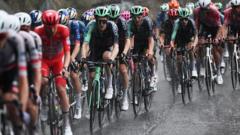
The third stage of the Vuelta a España was abandoned on Monday due to severe weather conditions, including heavy hailstorms, in the French Pyrenees. Riders were forced to halt mid-stage as safety concerns mounted, with icy roads and dangerous visibility making the route impassable. Organizers made the decision to stop the race at Col d'Aubisque, a critical point in the stage. The abrupt halt underscores the unpredictable challenges posed by extreme weather during major cycling events.
Key Takeaways
- Stage abandoned mid-race: Severe hailstorms halted the third stage at Col d'Aubisque in the Pyrenees.
- Rider safety prioritized: Organizers cited icy roads and limited visibility as key concerns.
- Impact on standings: The stage cancellation may affect rider strategies in upcoming stages.
- Unpredictable weather: Highlights broader challenges for outdoor sports amid increasing climate unpredictability.
Background
The Vuelta a España, one of professional cycling's grand tours, spans three weeks and attracts elite riders from across the globe. Known for its challenging mountain stages, the race is a test of endurance and strategy. Weather conditions often play a critical role in determining outcomes, particularly in high-altitude areas such as the Pyrenees.
This year’s race began on August 26 and was expected to feature fierce competition among top teams. However, the third stage was cut short, leaving riders, fans, and organizers scrambling to adjust to the unexpected disruption.
What Happened
Stage three started in the French Pyrenees, where riders were met with increasingly treacherous conditions. Heavy rainfall escalated into near-freezing hailstorms, blanketing the roads and reducing visibility dramatically. By the time riders reached Col d'Aubisque, the weather had rendered the course unsafe for continuation.
The decision to abandon the stage was made after consultation with race officials and safety experts. While some riders attempted to push through, the icy conditions proved insurmountable, forcing organizers to prioritize safety over competition.
Why It Matters
The abrupt cancellation of a stage in a grand tour is rare and carries significant implications. Rider safety is always paramount, but such decisions can disrupt race dynamics, impacting team strategies and standings.
This incident also highlights the growing impact of extreme weather on outdoor sports. Events like the Vuelta rely heavily on predictable conditions, and sudden changes — such as hailstorms in summer — underscore the challenges posed by climate volatility.
Moreover, the cancellation serves as a reminder of the physical and logistical hurdles athletes face during grueling multi-week tours, where adaptability is as crucial as skill.
What Happens Next
Organizers are expected to review the race schedule and standings to address the impact of stage three’s cancellation. Riders will regroup for the fourth stage, with adjustments made to ensure safety in upcoming segments.
Teams may need to recalibrate their strategies, particularly those counting on mountain stages to gain an edge. Fans will be watching closely as the competition resumes under heightened scrutiny of weather forecasts.
For broader context on sports disruptions, check out how England dropped Carse after a nightclub incident or the challenges outdoor sports face during thunderstorms in the UK.
Frequently Asked Questions
What is the Vuelta a España?
The Vuelta a España is one of cycling's three grand tours, alongside the Tour de France and Giro d'Italia. It spans three weeks and includes mountain, sprint, and time trial stages.
How often are stages abandoned during grand tours?
Stage cancellations are rare but not unprecedented, usually occurring due to extreme weather or safety hazards. Such decisions prioritize rider safety over competition.
Will the canceled stage affect race standings?
Yes, the cancellation may affect strategies and standings as riders lose an opportunity to gain time in the mountains. Adjustments to rankings are likely minimal since the stage was abandoned before completion.
Bottom Line
The Vuelta a España’s third stage was abandoned due to severe hailstorms in the Pyrenees, highlighting the vulnerability of outdoor sports to extreme weather. Reporting attributed to BBC Sport.