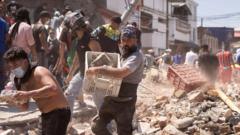
A devastating 7.4-magnitude earthquake struck Colombia on Thursday, killing at least 132 people and injuring hundreds more. The quake’s epicentre was located in Chocó province, near the Pacific Coast, but tremors were felt as far away as Bogotá and Medellín, hundreds of kilometres from the source. The disaster has left entire communities in ruins, with rescue operations underway to locate survivors trapped under debris. This marks the deadliest earthquake in Colombia in over a decade, raising urgent questions about preparedness in the seismically active region.
Key Takeaways
- Magnitude 7.4 quake hit Chocó province, with tremors felt across Colombia.
- At least 132 fatalities confirmed, with hundreds injured or missing.
- Infrastructure heavily damaged, including homes, bridges, and hospitals.
- Rescue operations ongoing, but remote areas remain hard to access.
Background
Chocó province, located along Colombia's Pacific Coast, lies near the Pacific Ring of Fire, an area prone to seismic activity. The region has experienced earthquakes before, but none as powerful as Thursday’s event in recent years. The quake occurred at a depth of 30 kilometres, according to the US Geological Survey, amplifying the intensity felt on the surface.
Colombia has made strides in improving its disaster preparedness since the devastating 1999 Armenia earthquake, which killed over 1,000 people. However, many rural areas, including Chocó, remain vulnerable due to limited infrastructure and resources.
What Happened
At approximately 10:15 a.m. local time, the 7.4-magnitude earthquake struck Chocó province, causing widespread destruction. The tremors triggered landslides, collapsed buildings, and disrupted power and communication networks. In the provincial capital of Quibdó, hospitals were overwhelmed as injured residents poured in.
Major cities, including Bogotá, Medellín, and Cali, reported feeling the earthquake, with some buildings evacuated as a precaution. Rescue teams have been deployed, but efforts are hampered by blocked roads and aftershocks. Authorities fear the death toll could rise as workers reach remote villages where entire communities are reportedly buried under rubble.
Why It Matters
This earthquake highlights Colombia's vulnerability to natural disasters, particularly in rural and underserved regions like Chocó. The damage to homes, roads, and critical infrastructure underscores the need for long-term investment in seismic-resistant construction and emergency preparedness.
The humanitarian toll is immense, with thousands now homeless and in urgent need of food, water, and medical care. The disaster also raises broader concerns about disaster resilience across the world, as climate change and urban expansion increase the risks associated with natural hazards.
What Happens Next
Colombian President Gustavo Petro has declared a state of emergency and pledged swift action to aid affected communities. International aid agencies, including the Red Cross, are mobilizing to provide relief supplies and support rescue efforts.
Authorities are prioritizing reaching remote areas, where access is limited due to landslides and damaged infrastructure. Emergency shelters are being set up, though officials warn that recovery could take months, if not years. Meanwhile, seismologists are monitoring the region for potential aftershocks.
Frequently Asked Questions
What was the magnitude and location of the earthquake?
The earthquake registered a magnitude of 7.4, with its epicentre in Chocó province near Colombia's Pacific Coast. The tremors were felt hundreds of kilometres away, including in major cities like Bogotá and Medellín.
How does this earthquake compare to past disasters in Colombia?
This is the most powerful earthquake to strike Colombia in recent years and the deadliest since the 1999 Armenia earthquake, which killed over 1,000 people. The scale of destruction and loss of life is a stark reminder of the region’s seismic risk.
How can people help those affected?
Relief organizations are accepting donations to support rescue and recovery efforts. People can contribute to reputable groups like the Red Cross or local Colombian charities. International aid is also being coordinated to address immediate needs such as food, shelter, and medical supplies.
Bottom Line
The 7.4-magnitude earthquake in Colombia’s Chocó province has claimed at least 132 lives and left hundreds injured. Recovery will require coordinated efforts from local authorities, international aid organizations, and community volunteers to address the devastating humanitarian and infrastructural toll. Reporting sourced from BBC News.