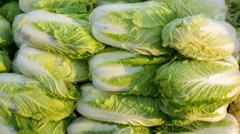
China has launched an investigation into reports of formaldehyde being used to preserve cabbages, a practice that violates the country's food safety laws. The probe, announced this week, comes amid growing concerns about food safety in the world’s largest cabbage-producing nation. Formaldehyde is a known carcinogen and its use in food preservation is strictly prohibited due to its potential health risks. This case highlights ongoing challenges in regulating China's vast agricultural sector and ensuring consumer safety.
Key Takeaways
- China has begun investigating the illegal use of formaldehyde to preserve cabbages.
- Formaldehyde, a carcinogen, is banned for use in food preservation under Chinese law.
- China is the largest global producer of cabbages, making this a significant food safety issue.
- The case underscores broader concerns about food regulation in the country’s agricultural sector.
Background
China is the world’s leading producer of cabbages, with the vegetable being a staple in many households and cuisines. The country prides itself on feeding its population of over 1.4 billion people, but food safety scandals have periodically tainted its agricultural reputation. In recent years, the government has introduced stricter regulations to curb the use of harmful chemicals in food production. However, enforcement remains a challenge due to the scale of production and the complexity of supply chains.
What Happened
This week, reports emerged alleging that some farmers and distributors in China have been using formaldehyde to extend the freshness of cabbages. The chemical is often used as a preservative in industrial applications, such as embalming and manufacturing, but its use in food is illegal due to health risks. Investigators are working to trace the extent of the practice and identify those responsible. National food safety authorities have promised severe penalties for violators as public outrage over the issue grows.
Why It Matters
The use of formaldehyde in food is not just a violation of Chinese law but also a severe public health risk. Classified as a carcinogen by the World Health Organization, exposure to formaldehyde can lead to respiratory issues, skin irritation, and even cancer in extreme cases. With China being the world’s largest exporter of agricultural products, including cabbages, the issue could have global implications. Furthermore, this incident raises questions about the effectiveness of China’s food safety regulations and monitoring systems, an issue that has plagued the country in the past.
What Happens Next
The Chinese government is expected to ramp up its investigation into the issue, which could involve widespread testing of cabbage supplies and increased inspections of farms and distribution centers. Authorities are also likely to impose harsher penalties on those found guilty of violating food safety laws to deter future incidents. Meanwhile, consumer advocacy groups are urging for greater transparency and stricter enforcement to restore trust in the country’s food supply. The findings of this investigation could shape future food safety policies in China.
Frequently Asked Questions
What is formaldehyde and why is it dangerous?
Formaldehyde is a chemical commonly used in industrial applications, such as building materials and embalming. It is classified as a carcinogen, meaning it can increase the risk of cancer in humans. Prolonged exposure can also lead to respiratory and skin issues.
Why is formaldehyde being used on cabbages?
Reports suggest that some farmers and distributors may use formaldehyde to extend the freshness of cabbages, especially during transportation. While this reduces spoilage, it poses significant health risks and violates Chinese food safety laws.
How is China addressing food safety issues?
China has implemented stricter regulations and increased penalties for food safety violations over the years. However, enforcement remains a challenge due to the scale and complexity of its agricultural sector. The government is now intensifying efforts to crack down on harmful practices like the use of formaldehyde in food.
Bottom Line
China’s investigation into the illegal use of formaldehyde to preserve cabbages highlights persistent challenges in food safety regulation. The issue underscores the need for stricter enforcement to safeguard public health and restore consumer trust. BBC News first reported this development.