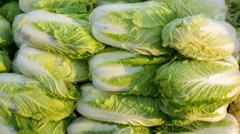
Chinese authorities have launched an investigation into reports of formaldehyde being used to preserve cabbages, a practice banned under the country’s food safety laws. The probe comes after concerns were raised about farmers and distributors allegedly applying the toxic chemical to prevent spoilage. China, the world's largest producer of cabbages, is now scrambling to address potential risks to public health. The case highlights ongoing challenges in ensuring food safety in one of the globe's most important agricultural markets.
Key Takeaways
- China is investigating illegal use of formaldehyde to preserve cabbages.
- Formaldehyde is a known carcinogen and banned as a food additive under Chinese law.
- The country is the world's largest cabbage producer, making this an issue of global concern.
- Authorities have pledged stricter monitoring and enforcement to safeguard public health.
Background
China produces over 30 million tons of cabbages annually, making it a cornerstone of the nation’s agricultural industry. The vegetable is a staple in Chinese cuisine and a major export item. However, food safety scandals have periodically rocked the sector, from melamine in milk to pesticide residues in produce.
Formaldehyde, a chemical used in embalming and industrial applications, is classified as a carcinogen by the World Health Organization (WHO). Its use in preserving food is strictly prohibited in China due to the severe health risks it poses. Nonetheless, sporadic reports of its illicit application have surfaced over the years, particularly in contexts where refrigeration is unavailable or costly.
What Happened
The current investigation was triggered by local media reports alleging that formaldehyde was being sprayed on cabbages to keep them fresh during transportation. This practice, if confirmed, would violate national food safety regulations.
Health officials are working to trace the supply chains and identify any instances of contamination. Farmers, distributors, and retailers are being scrutinized to determine how widespread the issue may be. Meanwhile, consumers have been urged to thoroughly wash vegetables before consumption and report any suspicious produce to authorities.
Why It Matters
China’s reputation as a major agricultural powerhouse depends on its ability to uphold food safety standards. The use of formaldehyde not only endangers public health but also risks tarnishing the credibility of Chinese agricultural exports.
Moreover, this issue underscores the broader challenge of food safety enforcement in China, where illegal practices can sometimes slip through regulatory cracks. For a country that produces a significant proportion of the world’s food, the stakes are high. The outcome of this investigation could set a precedent for stricter monitoring and enhanced penalties for violations.
What Happens Next
Authorities have promised swift action, including increased inspections of farms, transportation hubs, and markets. Penalties for offenders could include hefty fines and criminal charges.
Additionally, the case is likely to prompt a reassessment of food safety protocols, with potential updates to the regulatory framework. Consumers and advocacy groups are also calling for greater transparency and education to prevent future incidents.
Frequently Asked Questions
What is formaldehyde, and why is it dangerous?
Formaldehyde is a colorless gas often used in industrial applications, such as building materials and embalming. It is classified as a carcinogen and can cause severe health issues, including respiratory problems and cancer, if ingested.
Why would someone use formaldehyde on vegetables?
Formaldehyde can temporarily preserve freshness by preventing decay, especially during long transportation. However, its use in food is illegal due to its toxicity and health risks.
How can consumers protect themselves?
Consumers are advised to thoroughly wash vegetables under running water and peel outer layers when possible. If a vegetable smells unusual or has a chemical odor, it should not be consumed.
Bottom Line
China’s investigation into the use of formaldehyde on cabbages highlights both the risks and the regulatory challenges in ensuring food safety. The outcome could lead to stricter enforcement and greater consumer awareness. BBC News contributed to this report.