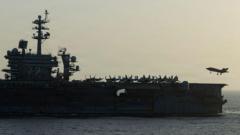
Conditions on US aircraft carrier at sea for more than 250 days raise alarms
For more than 250 days, the nuclear‑powered USS Abraham Lincoln has remained on deployment, putting thousands of sailors under prolonged strain. Reports emerging in early August 2026 describe food shortages, broken plumbing and morale‑crushing stress, with a handful of crew members even contemplating jumping overboard. The situation has drawn scrutiny from the Pentagon, congressional oversight committees and the public, highlighting the human cost of extended naval operations. Understanding why the carrier’s conditions have deteriorated is crucial for future force‑readiness and the welfare of service members.
Key takeaways
- Extended deployment (>250 days) has led to food and water supply issues aboard the carrier.
- Broken plumbing and sanitation failures are forcing sailors to live in unsanitary conditions.
- Morale is falling; some crew members have considered self‑harm, prompting urgent leadership response.
- The episode may prompt policy changes on deployment length and shipboard support systems.
Background
The USS Abraham Lincoln (CVN‑72) is a Nimitz‑class super‑carrier, typically rotating through a 20‑month work cycle that includes 6‑month sea periods. Since early 2025, escalating tensions in the Indo‑Pacific have kept the ship on station longer than any recent carrier, supporting air‑strike missions, anti‑piracy patrols and humanitarian assistance. The prolonged sortie has stretched supply chains, and the Navy’s logistical network, already strained by global commitments, struggled to keep pace.
What happened
In mid‑July, sailors posted anonymous messages on internal forums describing “dry taps,” malfunctioning toilets and ration bags that were half‑filled. According to a briefing obtained by BBC News, ship‑board engineers reported that a corroded seawater pipe burst repeatedly, leaving several decks without running water. At the same time, the galley’s inventory dwindled, forcing the crew to subsist on frozen meals and limited fresh produce. A small group of enlisted personnel reportedly discussed leaping overboard as an escape, prompting the carrier’s command to launch a mental‑health outreach program.
Why it matters
The carrier’s plight underscores three broader concerns for the U.S. military:
- Readiness risk – Degraded living conditions can impair crew performance, increasing the chance of operational mistakes during high‑stakes missions.
- Recruitment and retention – News of such hardships spreads quickly on social media, potentially deterring new enlistments and prompting veterans to leave early.
- Policy implications – Lawmakers are now questioning whether the current deployment model respects the world standards for service‑member welfare, a debate echoed in recent congressional hearings.
The episode also resonates with other recent tragedies, such as the 'Unprecedented' rains in Japan kill six people and the Rising golf star, 18, dies after brain haemorrhage, reminding the public that unforeseen crises can strike any community, military or civilian.
What happens next
The Navy has ordered an immediate inspection of the carrier’s water‑distribution system, with a repair crew scheduled to arrive within 48 hours. Additionally, a temporary resupply convoy will deliver fresh provisions, while mental‑health counselors are being flown aboard to address morale. Congressional leaders have pledged to hold a hearing on deployment limits, and the Department of Defense is reviewing logistics protocols for vessels on extended missions. Readers can follow ongoing updates on Chronicle News or explore the full archive of related stories via all articles.
Frequently asked questions
How long has the USS Abraham Lincoln been at sea?
The carrier has remained on deployment for more than 250 days, far exceeding the typical 180‑day sea period for a Nimitz‑class vessel.
What immediate steps are being taken to fix the plumbing?
A specialist engineering team is being dispatched to replace the corroded seawater pipe and restore full water pressure across all decks.
Will sailors receive compensation for the hardships endured?
The Navy has announced a review of pay and benefits for affected crew members, but final decisions will depend on the outcome of the upcoming congressional inquiry.
Bottom line
The deteriorating conditions on the USS Abraham Lincoln have sparked urgent calls for logistical reform and better crew support. The reporting draws on information from BBC News.
Related reading
- 'Unprecedented' rains in Japan kill six people
- [Rising golf star, 18, dies after brain haemorrhage](/articles/r