Representatives of the Democratic Republic of Congo (DRC) and the M23 rebel group have agreed on a roadmap to pave the way for peace negotiations. The agreement was reached during talks held in Switzerland, with a focus on resolving the ongoing conflict that has devastated the eastern regions of the DRC. The move marks a significant step toward addressing one of Africa's most protracted crises, offering hope for long-term stability in the region.
The roadmap outlines key steps both parties will take to de-escalate tensions and initiate formal peace talks. This development could have profound implications for millions of displaced people and the broader security of the Great Lakes region.
Key Takeaways
- DR Congo and M23 rebels agree on a roadmap for peace talks during Switzerland-hosted discussions.
- The talks aim to address decades of violence and instability in the DRC's eastern provinces.
- The M23 group has been active in the region since 2012, causing mass displacement of civilians.
- The roadmap emphasizes de-escalation, humanitarian aid, and a framework for political dialogue.
Background
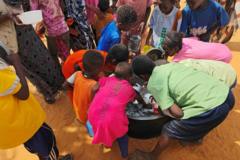
The Democratic Republic of Congo has faced decades of conflict, particularly in its mineral-rich eastern regions. The M23 rebel group, named after the March 23, 2009 peace accord it claims was violated, has been a major actor in the region's instability. Since its resurgence in late 2021, the group has captured swathes of territory in North Kivu province, displacing hundreds of thousands of civilians.
The conflict has drawn in regional actors and international efforts to mediate, given its impact on neighboring countries. The Great Lakes region's stability hinges on resolving the DRC's internal strife, making these peace talks a critical development.
What Happened
On Wednesday, representatives of the DRC government and the M23 rebels concluded a series of meetings in Switzerland. These talks, facilitated by international mediators, resulted in an agreement on a roadmap to guide future peace negotiations. The roadmap reportedly includes provisions for a ceasefire, disarmament of rebel fighters, and mechanisms to address humanitarian concerns in affected areas.
While the details of the discussions remain confidential, both parties have expressed cautious optimism about the process. A spokesperson for the DRC government called the agreement "a significant step forward," while an M23 representative described it as "a chance to end years of suffering."
Why It Matters
This agreement represents a crucial step toward ending one of Africa's longest-running conflicts, which has claimed thousands of lives and displaced over a million people. The eastern provinces of the DRC are not only plagued by violence but are also home to vast reserves of minerals like cobalt and gold, making the region a focal point of economic and geopolitical interest.
The roadmap also highlights the role of international mediation in fostering peace in one of the world's most volatile regions. By providing a framework for dialogue, the agreement could open doors for humanitarian aid and development, offering hope to millions of affected residents.
What Happens Next
The next steps involve implementing the roadmap, which includes a ceasefire and the disarmament of M23 fighters. International monitors and regional stakeholders are expected to oversee the process to ensure compliance. Formal peace talks will likely follow, aimed at addressing the root causes of the conflict and finding a sustainable resolution.
However, challenges remain. Previous agreements with M23 have fallen apart, and trust between the parties is fragile. The success of this initiative will depend on sustained international pressure, regional cooperation, and the willingness of both sides to compromise.
Frequently Asked Questions
What is the M23 rebel group?
The M23 rebel group is an armed militia that emerged in 2012, claiming to fight for the rights of ethnic Tutsi in eastern DRC. The group accuses the DRC government of violating a 2009 peace agreement. Their activities have led to significant displacement and violence in the region.
Why was Switzerland chosen for the peace talks?
Switzerland is often seen as a neutral ground for international negotiations, making it an ideal location for sensitive discussions. Its role as a host reflects the international community's interest in resolving the DRC conflict.
What are the major challenges to implementing the roadmap?
Key challenges include mistrust between the DRC government and M23, ensuring compliance with the ceasefire, and addressing the root causes of the conflict. Sustained international and regional support will be crucial for the roadmap's success.
Bottom Line
The agreement between the DRC and M23 rebels on a peace talks roadmap is a promising step toward resolving a long-standing conflict. However, significant challenges remain, and the international community's role will be critical in ensuring progress. Reporting by BBC News.
Related Reading
- Watch: European Gymnastics Championships - men's team finals
- Price double helps West Brom see off Burnley
- Kejelcha breaks men's half marathon world record by 29 seconds
- CrossCountry cancels 'almost all' UK services after power cut
- Zelensky should be asked what he knew about government corruption, sacked minister tells BBC