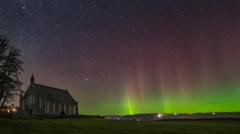
Officials in the Scottish Highlands are drafting new guidance to combat light pollution and preserve the region's pristine night skies. The proposals aim to protect the area's natural beauty, wildlife, and tourism industry by minimizing artificial light disruption. The initiative, which could be opened for public consultation soon, underscores growing global efforts to safeguard dark skies. If implemented, it could significantly impact how outdoor lighting is used in residential and commercial areas.
Key Takeaways
- Draft guidance seeks to address light pollution in the Scottish Highlands.
- The plan aims to protect wildlife, tourism, and natural beauty.
- Public consultation on the proposal may begin at a later date.
- The Highlands are internationally recognized for their exceptional dark skies.
Background
The Scottish Highlands are famed for their dark skies, attracting stargazers and nature enthusiasts from around the world. Areas like the Cairngorms National Park and Galloway Forest Park have already been designated as Dark Sky Parks, certified by the International Dark-Sky Association. These regions provide a haven for nocturnal wildlife and offer unparalleled opportunities for astronomy and eco-tourism. However, increasing light pollution threatens to diminish these benefits, prompting local authorities to act.
What Happened
Highland Council has begun drafting guidance to reduce artificial light pollution across the region. The proposed measures could regulate outdoor lighting in both urban and rural areas to ensure that it is used only when necessary and in a way that minimizes skyglow. The guidance is designed to align with international dark sky conservation standards, focusing on energy-efficient lighting and shielded fixtures. Officials have indicated that the draft may soon be put out for public consultation, allowing residents and businesses to provide feedback.
Why It Matters
Light pollution is not just a nuisance for stargazers; it also has far-reaching environmental, economic, and health consequences. Excessive artificial lighting disrupts the natural rhythms of wildlife, including nocturnal species that rely on darkness to hunt, migrate, and reproduce. For humans, light pollution has been linked to sleep disorders and other health issues. Economically, preserving dark skies could bolster the Highlands' tourism sector, attracting visitors eager to experience the rare sight of a star-filled night sky. By implementing this guidance, the Highlands could serve as a model for sustainable lighting practices worldwide.
What Happens Next
Once the draft guidance is finalized, it is expected to be opened for public consultation. This process will allow local residents, businesses, and environmental groups to weigh in on the proposed measures. Feedback from the consultation will likely influence the final regulations, which could be implemented later this year. If successful, the Highlands could strengthen their reputation as a top destination for eco-tourism and stargazing, while setting an example for other regions grappling with light pollution.
Frequently Asked Questions
What is light pollution?
Light pollution refers to excessive or misdirected artificial light that brightens the night sky. It can disrupt ecosystems, obscure stargazing, and negatively impact human health by interfering with natural sleep patterns.
How will the new guidance affect residents and businesses?
The proposed guidance is expected to focus on minimizing unnecessary outdoor lighting and encouraging energy-efficient, shielded fixtures. While residents and businesses may need to make adjustments, the changes could lead to cost savings and environmental benefits over time.
Why is protecting dark skies important?
Dark skies are essential for maintaining biodiversity, supporting nocturnal wildlife, and enabling scientific research like astronomy. Additionally, they are a valuable resource for tourism, attracting visitors to areas like the Scottish Highlands to experience unspoiled night skies.
Bottom Line
The Highlands' draft dark skies guidance is a significant step toward addressing the growing issue of light pollution. As the region considers public input, this initiative could serve as a model for sustainable environmental practices globally, as reported by BBC News.
Related Reading
- Hunter Bell glides into 1500m final
- Fertility medication caused drug ban, says NFL player
- Powerful 7.7-magnitude earthquake kills at least 38 in Indonesia
- Seven killed in Israeli strike on southern Lebanon, country's PM says
- Cornish sardines back on menu for penguins
For more science news, visit Chronicle News or browse all articles.