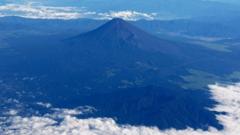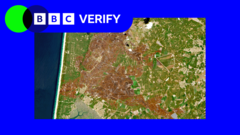
Satellites have captured dramatic images of Europe's landscapes transformed by this summer's record-breaking heatwaves. From shrinking glaciers in the Alps to rivers drying up and exposing shipwrecks, the extreme temperatures and prolonged drought have left clear scars on the continent. The European Space Agency (ESA) released these striking visuals, highlighting the urgent need for climate action. Scientists warn that such events will become more frequent unless significant measures are taken to curb global warming.
Key takeaways
- Satellite images reveal widespread damage from extreme heat and drought across Europe.
- Shrinking glaciers and dried-up rivers are among the stark impacts of the heatwaves.
- The European Space Agency emphasizes the role of satellites in monitoring climate change.
- Experts warn that such events will intensify without urgent global climate action.
Background
Europe experienced an unprecedented summer of heatwaves, with temperatures soaring above 40°C in several countries, including Spain, Italy, and France. These extreme conditions, coupled with prolonged drought, have led to water shortages, wildfires, and significant environmental changes. Satellites operated by the ESA have provided valuable data and imagery, offering a bird’s-eye view of the continent’s scorched and parched landscapes.
The summer of 2023 aligns with broader trends of rising global temperatures, as reported by climate scientists. The combination of heat and drought has highlighted Europe’s vulnerability to the impacts of climate change. Monitoring these changes from space is crucial for understanding their long-term implications and planning mitigation strategies.
What happened
The European Space Agency released satellite images showing the devastating effects of the summer heatwaves. In the Alps, glaciers have visibly shrunk, losing significant ice mass due to rising temperatures. Rivers like the Rhine and the Po have reached alarmingly low levels, exposing ancient shipwrecks and threatening water supply for agriculture and industry.
Dry conditions have also fueled wildfires across parts of Spain and Greece, leaving forests charred and communities devastated. The satellite imagery underscores the scale of the damage and serves as a stark reminder of the worsening climate crisis.
Why it matters
These images provide undeniable proof of the tangible impacts of climate change on natural landscapes and human infrastructure. Shrinking glaciers not only threaten biodiversity but also impact water availability for millions of people. Dried rivers disrupt trade routes and agricultural activities, while wildfires destroy ecosystems and displace communities.
The data collected by ESA satellites is critical for policymakers, scientists, and environmentalists working on climate mitigation strategies. It also serves as a wake-up call for governments worldwide to accelerate efforts in reducing greenhouse gas emissions and transitioning to renewable energy.
What happens next
Scientists predict that with continued global warming, heatwaves and droughts like those experienced this summer will become more frequent and intense. European governments are being urged to prioritize climate adaptation measures, such as improving water management systems, investing in wildfire prevention, and implementing sustainable agricultural practices.
International cooperation will also be crucial in tackling the root causes of climate change. With the upcoming UN Climate Change Conference, policymakers are expected to discuss stricter targets for reducing emissions and funding for climate adaptation projects. The ESA will continue monitoring Earth’s changing climate, providing invaluable data to guide these efforts.
Frequently asked questions
What role do satellites play in monitoring climate change?
Satellites provide critical data on environmental changes, including temperature shifts, ice mass loss, and deforestation. Their high-resolution imagery helps scientists track climate trends and assess the impacts of extreme weather events like heatwaves and droughts.
How do shrinking glaciers affect Europe?
Shrinking glaciers reduce freshwater availability, impacting agriculture, hydroelectric power, and drinking water supplies. They also contribute to rising sea levels, which can threaten coastal communities across Europe.
Can we prevent future heatwaves and droughts?
While we cannot entirely prevent these events, we can reduce their frequency and severity by cutting greenhouse gas emissions and investing in climate adaptation measures. International cooperation is essential to limit global warming and mitigate its effects.
Bottom line
Europe's summer heatwaves have left visible scars on its landscapes, as confirmed by ESA satellite images. The data highlights the urgent need for global climate action to prevent future environmental disasters. BBC News reports this growing concern.