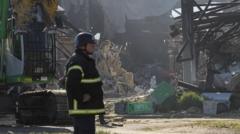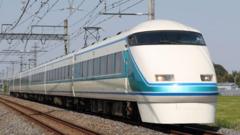
Four railway workers were killed on Wednesday after being struck by a train at Shin-Kanuma Station, north of Tokyo. The men were conducting maintenance work on the tracks when the accident occurred late in the evening, according to local authorities. The tragedy has raised serious concerns about workplace safety practices in Japan’s railway industry. Investigations are underway to determine how the workers were allowed to be on the tracks at the time of the collision.
Key Takeaways
- Four workers were killed after being hit by a train in Tochigi Prefecture, Japan.
- The accident occurred at Shin-Kanuma Station during late-night maintenance work.
- Authorities are investigating safety protocols and why the workers were on active tracks.
- The incident highlights ongoing issues with railway safety measures in Japan.
Background
Japan’s railway system is known for its efficiency and safety, but accidents involving maintenance workers are a growing concern. Shin-Kanuma Station, the site of the accident, is located in Tochigi Prefecture, about 100 kilometers north of Tokyo. The station serves both local and long-distance trains, making it a busy hub for railway operations.
The incident occurred during scheduled maintenance work, a common practice during late-night hours when passenger traffic is minimal. However, such operations require strict adherence to safety protocols to prevent accidents.
What Happened
The four workers were performing maintenance on the tracks late Wednesday evening when they were struck by an oncoming train. According to local police, the train was not scheduled to stop at Shin-Kanuma Station and was traveling at high speed. The workers, all men in their 20s to 50s, were confirmed dead at the scene.
Authorities say the workers were part of a maintenance team employed by a railway contractor. Initial reports suggest that communication lapses may have contributed to the tragedy, as the train conductor was reportedly unaware that workers were on the tracks.
Why It Matters
This accident underscores the critical need for stringent safety measures in Japan’s railway industry, particularly during maintenance operations. Japan’s railways set global standards for efficiency and reliability, but incidents like this reveal vulnerabilities in worker safety protocols.
The tragedy has sparked debate about whether current regulations adequately protect railway workers. It also raises questions about oversight and responsibility, as the accident occurred despite strict safety guidelines that are supposed to prevent such incidents.
What Happens Next
Authorities have launched a full-scale investigation into the incident, focusing on how the workers gained access to active tracks and whether proper procedures were followed. Local police are interviewing railway staff, including the train conductor and maintenance supervisors, to understand what went wrong.
The railway company has pledged to cooperate fully with the investigation and review its safety protocols. Meanwhile, labor unions are calling for immediate action to improve workplace safety for railway workers across the country.
Frequently Asked Questions
What caused the accident?
The accident occurred when a high-speed train struck four maintenance workers on the tracks. Authorities suspect communication lapses and procedural errors may have been contributing factors.
How common are railway worker accidents in Japan?
While Japan’s rail system is one of the safest globally, incidents involving maintenance workers are not unheard of. Such accidents often spotlight gaps in safety protocols and communication systems.
What steps are being taken to prevent future incidents?
Authorities are conducting a thorough investigation and have pledged to review and strengthen safety measures. Labor unions are also pushing for stricter enforcement of existing regulations.
Bottom Line
The tragic death of four railway workers at Shin-Kanuma Station highlights pressing issues in worker safety within Japan’s railway industry. Investigations are ongoing, and authorities face mounting pressure to implement stronger safety measures. BBC News contributed to this report.