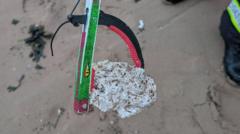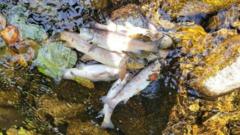
A major pollution incident has devastated marine life in the Kilkeel River, located in the Mournes area of Northern Ireland. The Department of Environment confirmed that approximately 5km of the river has been severely impacted, destroying entire generations of fish. The cause of the incident is under investigation, but officials have described it as a significant environmental setback. This event raises serious concerns about water quality management and the ecological future of the region.
Key Takeaways
- A 5km stretch of Kilkeel River has been severely polluted, wiping out fish populations.
- The Department of Environment is investigating the cause of the incident.
- Environmental groups warn of long-term ecological impacts in Northern Ireland’s Mournes area.
- The incident highlights growing concerns over waterway pollution and its effects on biodiversity.
Background
The Kilkeel River, part of the Mournes area in County Down, is a significant waterway supporting local biodiversity. Known for its natural beauty, the river is home to various fish species, including trout and salmon, which contribute to both the ecosystem and local fishing industries. However, pollution incidents have increasingly threatened waterways across the region, often linked to agricultural runoff or industrial waste.
Environmental advocates have long warned of the fragile state of Northern Ireland’s rivers, urging stricter regulations to prevent such disasters. According to recent reports, the Kilkeel River is the latest in a series of waterways suffering from major ecological damage.
What Happened
The pollution incident was confirmed earlier this week when local anglers reported a sudden and dramatic drop in fish activity. Preliminary investigations by the Department of Environment revealed that the pollution affected a 5km stretch of the river, killing fish across multiple generations.
Authorities have not yet disclosed the exact source of the pollution but confirmed that the impact is extensive. Water samples are being analyzed, and officials are working to pinpoint both the cause and any potential human culpability.
This environmental disaster has prompted outrage among conservationists and local communities. Calls for urgent action and stricter environmental protections have grown louder in the wake of the incident.
Why It Matters
The loss of fish populations in the Kilkeel River is more than just a local issue; it underscores the broader challenge of protecting delicate ecosystems. Fish species in the river play a critical role in maintaining ecological balance, supporting not only the food chain but also the livelihoods of local communities involved in fishing.
Moreover, this incident highlights the increasing vulnerability of waterways to pollution. As water is a finite resource, unchecked contamination could have cascading effects on biodiversity, drinking water supplies, and local economies. This disaster serves as a grim reminder of the need for stringent environmental laws and sustainable practices.
What Happens Next
The Department of Environment has pledged a thorough investigation and promises to hold those responsible accountable. In the meantime, environmental experts and local authorities are assessing the full extent of the damage and exploring potential recovery strategies.
Restoration efforts could involve the reintroduction of fish species to the affected area, as well as measures to prevent future pollution. However, experts warn that recovery could take years, if not decades, for the ecosystem to return to its original state.
Community members and environmental groups are also calling for increased government investment in monitoring and protecting local waterways. This incident may serve as a wake-up call for stronger environmental governance in Northern Ireland.
Frequently Asked Questions
What caused the pollution in the Kilkeel River?
The exact source of the pollution is still under investigation by the Department of Environment. Authorities are currently analyzing water samples to determine the cause and any potential liability.
How long will it take for the river to recover?
Experts suggest that recovery could take years or even decades, depending on the severity of the pollution and the success of restoration efforts. Reintroducing fish populations may also require significant resources and time.
What can be done to prevent such incidents in the future?
Environmental groups advocate for stricter regulations on agricultural runoff and industrial waste, as well as improved monitoring of waterways. Public awareness campaigns and government investments in waterway protection are also critical to preventing future incidents.
Bottom Line
The pollution incident in the Kilkeel River has caused irreparable harm to its ecosystem, wiping out generations of fish. This tragedy serves as a stark reminder of the urgent need to address environmental challenges and protect our waterways. BBC News.
Related Reading
- Lovable confirms new $13.3B valuation, raises another $400M
- Members of Trump's cabinet remained on decoy plane, after president's quiet exit
- Facebook officially rolls out its standalone Creator Studio app with AI tools for creators
- Eurovision Song Contest changes rules for countries at war
- How a $250 million acquisition collapsed into allegations of fraud and forged signatures