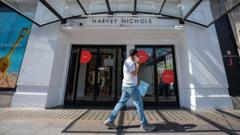
Harvey Nichols bought by Sports Direct owner – The iconic British department store, founded in 1831, entered administration in June and has now been acquired by Frasers Group, the retail empire of Sports Direct founder Mike Ashley. The deal, announced on 13 August 2026, transfers control of the 12‑store chain to a company better known for discount sportswear than luxury fashion. Analysts say the purchase could reshape the high‑end retail landscape and determine the future of a historic brand.
Key takeaways
- Frasers Group secures Harvey Nichols for an undisclosed sum, ending months of administration.
- The acquisition adds a premium fashion portfolio to a business traditionally focused on value‑price sports goods.
- Employees face uncertainty as the new owner evaluates store formats and staffing levels.
- Industry watchers expect a “hybrid” strategy blending luxury branding with Frasers’ cost‑efficiency model.
Background
Harvey Nichols began as a modest drapery shop on London’s Knightsbridge in 1831, later expanding into a global luxury retailer with flagship stores in major cities. Over the past decade, the chain struggled with rising rents, shifting consumer habits and the fallout from the pandemic. In June 2026, the company appointed an administrator, sparking speculation about its fate and prompting a flurry of interest from potential buyers. The brand’s legacy, however, remains a cultural touchstone in British retail history.
What happened
On 13 August 2026, Frasers Group announced it had reached an agreement to purchase Harvey Nichols from the administrators. The transaction, confirmed in a statement to the press, did not disclose the purchase price but emphasized the buyer’s commitment to “preserve the heritage and quality that customers expect.” The deal will see the luxury retailer’s assets, including its 12 stores and online platform, transferred to Frasers Group’s portfolio. Existing contracts with suppliers and landlords are being reviewed, while the new owner has pledged to retain the brand’s distinctive identity.
Why it matters
The acquisition marks the first time a discount‑oriented conglomerate has taken control of a high‑end department store in the UK. This could signal a broader trend of consolidation in the retail sector, where struggling luxury names look for lifelines from unexpected partners. For consumers, the change may bring price‑adjusted product ranges, expanded e‑commerce capabilities, and potentially revamped store layouts. Employees, meanwhile, face a period of transition as Frasers evaluates staffing needs; unions have already called for consultations to protect jobs. The move also draws attention from competitors, who will watch how Frasers balances luxury branding with its cost‑cutting expertise.
The purchase has already sparked commentary across the industry. In an analysis of retail turnarounds, Chronicle News noted that “strategic cross‑segment acquisitions can revive legacy brands if executed with respect for their core values.” Meanwhile, a recent feature on Flock boss admits surveillance firm took too long to act over police abuse highlighted how corporate governance and stakeholder trust are crucial during such transitions.
What happens next
Frasers Group is expected to conduct a comprehensive review of Harvey Nichols’ store performance, supply chain, and digital assets within the next 30 days. Early reports suggest a pilot program to integrate the retailer’s luxury inventory with Frasers’ logistics network, aiming to reduce operating costs while preserving brand exclusivity. Staff consultations are slated for early September, with the possibility of redeployment or redundancy packages depending on the outcome of the review. Industry observers will monitor the first quarter of 2027 for signs of a “hybrid” retail model, which could set a precedent for other legacy brands seeking rescue.
Frequently asked questions
Who is buying Harvey Nichols?
Frasers Group, the parent company of Sports Direct founded by Mike Ashley, has agreed to acquire the luxury department store chain.
Will Harvey Nichols stores stay open?
The new owner has pledged to keep the stores operating, but exact timelines and potential format changes will be decided after a detailed review.
How will the acquisition affect prices?
Frasers Group aims to maintain the brand’s premium pricing while exploring efficiencies that could lead to selective price adjustments in the future.
Bottom line
Harvey Nichols’ sale to Frasers Group could redefine the UK luxury retail scene, blending high‑end fashion with a cost‑focused business model. The outcome will hinge on how effectively the new owner balances brand heritage with operational efficiency, as reported by BBC News.