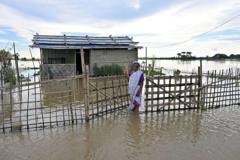
A 97-year-old woman in Assam, India, survived catastrophic floods by floating on a makeshift banana raft. The incident, which occurred earlier this week, highlights the escalating severity of floods in the region. Rescuers found her stranded after torrential rains caused rivers to overflow, inundating villages. Her escape underscores the urgent need for disaster preparedness in flood-prone areas.
Key takeaways
- A 97-year-old survived Assam floods by using a banana raft for escape.
- Torrential rains led to widespread devastation in northeastern India this week.
- The floods displaced thousands, affecting areas once considered safe.
- Experts warn of worsening climate impacts across India's vulnerable regions.
Background
Assam, located in northeastern India, is no stranger to flooding during the monsoon season. However, this year’s rains have been particularly destructive, submerging villages and forcing nearly 1.5 million people to flee their homes. The Brahmaputra River, a lifeline for the region, has overflowed, spilling into areas that previously avoided such severe flooding. The disaster has sparked renewed scrutiny over climate adaptation measures.
The state has witnessed annual floods for decades, but experts say climate change is intensifying the frequency and impact. As waters rise, vulnerable populations—including children, the elderly, and marginalized communities—are bearing the brunt of the crisis. The story of this elderly woman's survival has become symbolic of resilience amid widespread despair.
What happened
The elderly woman was stranded in her village as floodwaters engulfed her home. With no rescue in sight, she devised a raft using banana plants—a common resource in the region. She drifted for hours before being spotted by rescue teams, who transported her to safety. Images of her remarkable escape went viral, prompting both awe and concern over the worsening flood situation.
The floods have also caused extensive damage to infrastructure, including roads, bridges, and homes. Relief efforts are underway, but accessing remote areas remains challenging. Local authorities and non-governmental organizations are working to provide food, clean water, and medical aid to affected communities.
Why it matters
This dramatic rescue sheds light on the vulnerability of Assam’s residents to natural disasters. The fact that even relatively safe regions are facing extreme flooding suggests that disaster mitigation strategies must evolve rapidly. For a state dependent on agriculture and fishing, prolonged flooding threatens livelihoods and food security.
India, already grappling with rising temperatures and erratic weather patterns, faces increasing pressure to address climate resilience. Stories like this highlight the human cost of delayed action against climate change. The flooding in Assam is a stark reminder that communities worldwide must adapt to growing environmental risks.
What happens next
Authorities in Assam are ramping up relief operations, deploying emergency teams to assist stranded residents. Efforts are also underway to assess the damage and provide compensation to affected families. Experts are calling for better infrastructure planning, including flood-resistant housing and improved drainage systems, to mitigate future disasters.
On a broader scale, this disaster has reignited debates about India’s climate policies. Advocacy groups are urging the government to prioritize sustainable development and strengthen disaster response frameworks. The international community is also being called upon to support vulnerable regions like Assam through funding and technology transfer.
Frequently asked questions
What caused the floods in Assam?
The floods in Assam were triggered by intense monsoon rains that caused rivers, including the Brahmaputra, to overflow. Climate change is believed to be exacerbating these events, leading to more severe and frequent flooding in the region.
How are relief efforts being carried out?
Relief efforts involve deploying rescue teams, distributing food and water, and providing medical assistance. However, accessing remote villages remains a challenge due to damaged infrastructure and ongoing rainfall. Authorities are working with NGOs to ensure aid reaches those most in need.
What can be done to prevent future floods?
To mitigate future disasters, experts recommend investment in flood-resistant infrastructure, improved drainage systems, and reforestation. On a larger scale, combating climate change through policy reforms and international cooperation is essential to reduce the risk of extreme weather events.
Bottom line
The story of a 97-year-old’s escape on a banana raft highlights the resilience of Assam’s residents amid devastating floods. Reporting by BBC News underscores the urgent need for climate action and disaster preparedness in vulnerable regions.
Related reading
- Trump's dramatic plane swap hints at personal stakes of Iran war
- Cristiano Ronaldo marries long-time partner Georgina Rodríguez
- Russia releases former US Marine reported in poor health
- These seaside apartments were a ghost city - then police say scammers moved in
- UK to get best eclipse since 1999 as Moon blocks out Sun across Europe