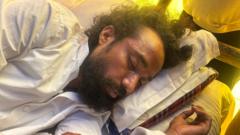
Indian student leader ends hunger strike after 16 days
Devendra Nath Mahto, a prominent student activist in Jharkhand, called off his 16‑day hunger strike on Saturday. The strike was part of a broader protest that began in early March, demanding comprehensive reforms to the state’s university examination system. Mahto’s decision came after negotiations with the Jharkhand Higher Education Department and rising public pressure. The outcome matters because the protest has highlighted systemic issues that affect millions of students across India’s education landscape.
Key takeaways
- Mahto ends a 16‑day hunger strike after talks with Jharkhand officials.
- The protest originally demanded transparent, merit‑based exam procedures.
- Student groups plan to continue pressure through legal and peaceful avenues.
- Authorities have pledged to review exam policies within the next quarter.
Background
Student unrest in Jharkhand erupted in late February when the state announced a new exam‑scoring formula that many felt favoured private coaching centres. Activists argued the changes undermined merit and increased financial barriers for poorer students. Mahto, a leader of the Jharkhand Student Union, organized a series of rallies that soon escalated into a hunger strike, drawing national media attention and solidarity from other Indian campuses.
What happened
On 12 March, Mahto began refusing food, citing the need to “draw urgent attention” to the alleged irregularities in the exam revision process. Over the next week, the strike attracted support from over 2,000 students, who set up a tent city outside the state education office. The protest also saw a surge of online activism, with hashtags trending on Twitter and Facebook. By the 10th day, the Jharkhand Higher Education Department agreed to meet Mahto’s core demands, promising a “transparent review” of the new policy. The meeting, held on 27 March, led to a partial concession: the department would suspend the contested formula pending a formal inquiry.
Why it matters
The hunger strike underscores a growing distrust between Indian students and government bodies tasked with regulating higher education. If the exam reforms proceed unchecked, they could set a precedent for other states to adopt similar opaque policies, potentially widening educational inequity. Moreover, the episode illustrates how student-led civil disobedience can force policy reconsideration—a dynamic mirrored in global movements, such as the recent Ferguson shipyard to cut a quarter of its workforce restructuring debate and the US states call for big changes to Instagram and Facebook as Meta child privacy trial begins.
What happens next
Jharkhand’s education ministry has set up a task force comprising faculty, student representatives, and independent experts to evaluate the contested exam system. The task force is expected to submit a report within three months, after which the state legislature will vote on any amendments. Meanwhile, Mahto and his fellow activists have pledged to monitor the implementation of the task‑force recommendations closely. They have also announced a series of town‑hall meetings across the state to keep the student body informed and engaged.
The broader student movement remains active, planning peaceful demonstrations on university campuses throughout May. Observers from the Ministry of Education have offered to facilitate dialogue between state authorities and student unions, hoping to prevent future escalations. For continuous updates on this story and other world news, visit our world section or check the latest headlines on Chronicle News.
Frequently asked questions
How long did Devendra Nath Mahto’s hunger strike last?
The strike lasted 16 days, beginning on 12 March and ending on 27 March after a meeting with state officials.
What were the main demands of the student protest?
Protesters called for the suspension of the new exam‑scoring formula, a transparent review of the policy, and the establishment of an independent oversight committee.
Will the exam reforms be permanently scrapped?
The Jharkhand government has not ruled out the reforms entirely; instead, it has agreed to pause implementation while a task force examines the concerns raised by students.
Bottom line
Devendra Nath Mahto’s hunger strike concluded after 16 days, prompting a provisional pause on contested exam reforms in Jharkhand. The episode highlights the power of student activism to influence policy and will be closely watched by education stakeholders nationwide. Reporting by BBC News.