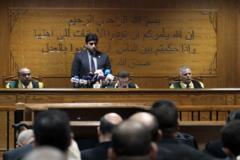
Ousted Syrian dictator Bashar al-Assad sentenced to death in absentia – A Syrian court on 23 April 2026 convicted former President Bashar al‑Assad of war crimes and crimes against humanity, issuing a death sentence while he remains abroad. The judgment stems from atrocities committed during the civil war that began in 2011, including attacks on civilian populations and the use of chemical weapons. The ruling, announced in Damascus, is the first time a Syrian leader has been tried and sentenced in absentia, raising questions about accountability and the future of Syria’s fractured political landscape. It matters because it could reshape diplomatic negotiations, influence international sanctions, and signal a broader shift toward prosecuting high‑level officials for mass atrocities.
Key takeaways
- Syrian court convicts Bashar al‑Assad of war crimes, sentencing him to death in absentia.
- Verdict follows a decade‑long civil war that caused over half a million deaths.
- International reaction is split, with some nations calling for enforcement, others dismissing the ruling.
- The sentence could impact future peace talks and Syria’s reintegration into global institutions.
Background
The Syrian civil war erupted in 2011 after nationwide protests demanded political reform. Over the next ten years, the conflict devolved into a complex proxy war involving regional powers, extremist groups, and foreign militaries. Assad’s regime was repeatedly accused of indiscriminate bombing, siege tactics, and chemical attacks, prompting investigations by the United Nations and the International Criminal Court (ICC). While the ICC has not secured jurisdiction over Syria, domestic courts have increasingly sought to fill the accountability gap, culminating in the present trial.
What happened
On 23 April 2026, the Damascus Criminal Court delivered its verdict, finding al‑Assad guilty of multiple counts of war crimes and crimes against humanity. The court relied on testimonies from survivors, satellite imagery, and reports from NGOs, including Human Rights Watch and Amnesty International. The judgment was read aloud in a public hearing, and the death sentence was pronounced, though al‑Assad remains outside Syrian territory, reportedly in Russia. The ruling was promptly posted on the world news feed, where it has already generated extensive commentary.
Why it matters
The sentence marks a rare instance of a sitting head of state being tried for mass atrocities, setting a potential precedent for other authoritarian regimes. It could embolden opposition groups and civil‑society actors demanding justice for victims, while also complicating diplomatic efforts led by the United Nations and the European Union. Moreover, the decision may affect the calculus of countries that have maintained strategic ties with Damascus, prompting reevaluation of aid, trade, and security cooperation.
The case also draws parallels with other high‑profile legal actions, such as the investigation highlighted in No hard feelings for Matos before Galbraith reunion and the courtroom drama discussed in Football YouTuber John Nellis joins Strictly line-up. These examples illustrate a growing global appetite for holding powerful figures accountable, irrespective of their political stature.
What happens next
Syria’s government has denounced the verdict as “politically motivated” and vowed to appeal the decision in the Supreme Court. Internationally, the United Nations Human Rights Council is expected to convene an emergency session to assess possible enforcement mechanisms, including targeted sanctions or asset freezes against al‑Assad and his close allies. Humanitarian organizations warn that the ruling could either deter further atrocities or, conversely, trigger a backlash against civilian populations still living under regime control.
Legal scholars note that enforcing a death sentence against a head of state who enjoys protection from a foreign ally is unlikely in the short term. Nonetheless, the judgment adds pressure on countries hosting al‑Assad, potentially influencing future extradition requests or diplomatic negotiations. Comprehensive coverage of the story and related analyses can be followed on Chronicle News and in the broader all articles archive.
Frequently asked questions
How was Bashar al‑Assad tried if he was not present?
Syrian law permits trials in absentia for individuals deemed to have fled justice, allowing the court to hear evidence and render a verdict without the defendant’s physical presence.
Will the death sentence be carried out?
Given al‑Assad’s residence abroad and the lack of an extradition treaty with the host country, execution of the sentence is improbable unless diplomatic circumstances change dramatically.