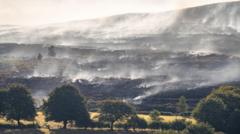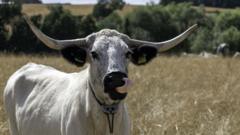
White Park cattle have arrived at the historic Castle Howard estate in North Yorkshire as part of an ambitious rewilding initiative. The rare breed, known for its conservation value and ecological benefits, is being introduced to naturally manage the estate's landscape and enhance biodiversity. This project highlights a growing trend of using traditional livestock breeds in the UK to support environmental restoration. Experts believe the initiative could be a model for other estates aiming to balance conservation with heritage preservation.
Key Takeaways
- Rare White Park cattle introduced to Castle Howard estate in North Yorkshire for conservation efforts.
- Cattle expected to naturally manage vegetation and promote biodiversity through grazing practices.
- Rewilding projects like this aim to restore ecosystems and mitigate environmental degradation.
- Conservationists view the initiative as a potential blueprint for other UK estates.
Background
Castle Howard, a historic estate spanning thousands of acres in North Yorkshire, is renowned for its architectural grandeur and cultural significance. However, the estate's management team has recently turned its attention to ecological conservation. Rewilding, a process that seeks to restore natural habitats and ecosystems, has gained momentum in the UK as a response to biodiversity loss and climate change. The introduction of White Park cattle, a breed dating back over a millennium, aligns with growing efforts to preserve both heritage livestock and the environment.
What Happened
Earlier this week, a herd of White Park cattle arrived at Castle Howard as part of the estate's rewilding project. These rare cows, characterized by their white coats and black markings, will roam freely across designated areas of the estate. Their grazing habits are expected to naturally manage the landscape, preventing overgrowth of vegetation and creating habitats for other species. Castle Howard's management team, in collaboration with conservation experts, has emphasized that the cattle will play a key role in fostering biodiversity while maintaining the estate's historic charm.
Why It Matters
The introduction of White Park cattle is significant for several reasons. First, the breed itself is listed as "at risk" by the Rare Breeds Survival Trust, making their use in conservation efforts doubly impactful. Second, rewilding projects like this offer a sustainable approach to land management by reducing the need for human intervention and machinery. The cattle's grazing mimics natural processes, which can improve soil health, encourage the growth of wildflowers, and attract pollinators. This initiative also underscores the growing importance of integrating conservation into heritage management, setting an example for other estates across the UK.
What Happens Next
The project at Castle Howard is still in its early stages, but the estate plans to closely monitor the impact of the cattle on local ecosystems. Researchers and conservationists will study the animals' effects on vegetation, soil quality, and wildlife populations over the coming months. If successful, the initiative could be expanded to include other areas of the estate, and potentially inspire similar projects across the country. Public engagement is also a priority—visitors to Castle Howard will have the opportunity to learn about the rewilding efforts through guided tours and educational programs.
Frequently Asked Questions
What are White Park cattle?
White Park cattle are a rare, ancient breed native to the UK, known for their striking white coats with black or red ears and noses. They are valued for their hardiness and ability to thrive in natural environments, making them ideal for conservation purposes.
Why are White Park cattle important for rewilding?
These cattle play a unique role in managing landscapes through their grazing, which helps maintain open grasslands and supports biodiversity. Their presence can create habitats for insects, birds, and small mammals, contributing to healthier ecosystems.
How does this project benefit the local community?
The rewilding initiative not only preserves biodiversity but also offers educational opportunities and boosts eco-tourism. By integrating conservation with heritage, Castle Howard aims to attract visitors and raise awareness about sustainable land management.
Bottom Line
The arrival of rare White Park cattle at Castle Howard marks an innovative step in rewilding and conservation efforts. As estates like this embrace sustainable practices, they pave the way for a greener future while preserving cultural heritage.
Reporting sourced from BBC News.
Related Reading
- Jump in energy bills drives UK inflation to highest rate for four months
- Sabalenka breezes through as Medvedev loses cool in defeat
- How Carrick's Man Utd are shaping up for Premier League season
- Antonelli - the boy 'born in a garage' who started driving on dad's lap
- Wrexham's Moore aiming to stay the distance
For more updates on science and conservation, visit Chronicle News or explore all articles.