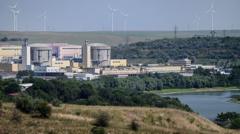
Romania's sole nuclear power plant, the Cernavodă facility, has been temporarily shut down due to critically low water levels in the Danube River. Officials announced the closure this week, citing the inability to safely cool the plant’s reactors without sufficient river water. The Danube, which provides essential cooling water for the plant, has seen its levels plummet due to prolonged extreme heat and drought conditions. The shutdown raises urgent questions about energy security and climate resilience in the region.
Key Takeaways
- Romania's Cernavodă plant generates 20% of the country’s electricity.
- Extreme heat and drought have drastically reduced Danube River water levels.
- Cooling operations at the nuclear plant require consistent, adequate water flow.
- The plant is expected to remain offline for at least 10 days.
Background
Located in southeastern Romania, the Cernavodă nuclear power plant is a cornerstone of the country’s energy infrastructure. It produces about one-fifth of Romania's electricity, using water from the Danube River to cool its reactors. The plant has historically been a reliable source of low-carbon energy, critical for meeting national and regional energy needs.
However, the plant’s dependency on the Danube has made it vulnerable to extreme weather events. This summer, record-high temperatures and prolonged drought have caused river levels to drop to historic lows, threatening the plant's operation.
What Happened
Romanian energy authorities announced the shutdown of the Cernavodă nuclear plant earlier this week. The decision was made after water levels in the Danube fell below the minimum threshold needed to cool the plant’s reactors safely. Without adequate cooling, nuclear reactors risk overheating, which could lead to severe safety hazards.
The shutdown comes during a period of high electricity demand, as the ongoing heatwave has increased air conditioning use across the country. Officials have confirmed that the plant will remain offline for at least 10 days, though this timeline could extend if river levels do not recover.
Why It Matters
The temporary closure of the Cernavodă plant highlights the growing vulnerabilities of critical infrastructure to climate change. With Romania relying on the plant for 20% of its electricity, the shutdown could strain the country’s energy grid, particularly as demand peaks during the summer.
This incident also underscores the broader risks facing Europe’s energy sector as extreme weather events become more frequent. Many European countries, including Romania, are grappling with water shortages that threaten hydropower, nuclear facilities, and agriculture. The situation raises urgent questions about how nations can adapt their energy systems to withstand climate-induced challenges.
What Happens Next
Authorities are closely monitoring the Danube’s water levels, hoping for rainfall to alleviate the drought. In the meantime, Romania may need to increase imports of electricity from neighboring countries to meet demand, potentially driving up energy costs.
The government has also indicated that it plans to accelerate investments in renewable energy and water management systems to reduce reliance on vulnerable infrastructure. However, these solutions will take years to implement, leaving Romania reliant on immediate, short-term measures to navigate the current crisis.
Frequently Asked Questions
Why does the Cernavodă plant rely on the Danube River?
The plant uses water from the Danube to cool its nuclear reactors during operation. Without sufficient water flow, the reactors cannot be safely cooled, necessitating a shutdown to prevent overheating risks.
How much electricity does the plant produce?
The Cernavodă plant generates approximately 20% of Romania’s electricity, making it a critical component of the country’s energy mix.
Could this lead to power outages in Romania?
While officials have not reported immediate outages, the shutdown could strain the energy grid, especially if demand remains high. Romania may need to import electricity to compensate for the lost supply, potentially raising costs for consumers.
Bottom Line
The shutdown of Romania's only nuclear plant due to low Danube River levels highlights the urgent need for climate-resilient energy systems. As extreme weather events intensify, nations must adapt to safeguard critical infrastructure and ensure energy security.
This report is based on coverage by BBC News.