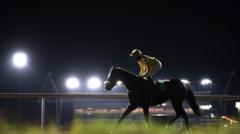
Sport events in the UK affected by eclipse – The horse‑racing meeting at Ffos Las in South Wales will start roughly two hours earlier on Wednesday because a solar eclipse will darken the sky during the usual start time. Organisers, jockeys and fans are adjusting schedules to avoid safety risks and to capture the rare celestial moment. The change also ripples through broadcasting slots and betting markets, making it a story that matters beyond the track.
Key takeaways
- Ffos Las race day will open about two hours before the planned start.
- The shift aims to keep spectators safe as the eclipse reaches maximum obscuration.
- Television and online coverage will be re‑programmed to avoid the dark interval.
- Betting operators are revising odds and cash‑out windows for the affected races.
Background
The UK will experience a partial solar eclipse on Wednesday, with the greatest coverage across South Wales and the West Country. While eclipses are routine astronomical events, they can pose visibility challenges for outdoor sports that rely on daylight. The British Horseracing Authority (BHA) consulted with local authorities and the racecourse to decide on a timetable that respects both safety regulations and fan experience.
What happened
At a press briefing on Monday, Ffos Las officials announced that the 2:30 pm start for the 12‑race meeting would be moved to 12:30 pm. The decision follows guidance from the Met Office, which warned that the eclipse would reduce ambient light to near‑twilight levels for about fifteen minutes around 1:45 pm. Race‑day staff will deploy extra lighting on the straight and in the grandstand, while broadcasters will cut to studio analysis during the darkness.
Why it matters
A sudden loss of natural light can affect horse performance, jockey visibility and the safety of track personnel. The early start also compresses the day's schedule, potentially influencing horse fatigue and the timing of subsequent fixtures at other venues. Moreover, the shift has financial implications: bookmakers must adjust live‑betting windows, and sponsors may see reduced on‑track exposure. The story has already been picked up by the wider sports community, underscoring how astronomical events intersect with commercial sport.
What happens next
Organisers will monitor the eclipse’s progression with real‑time solar‑intensity data and stand ready to pause racing if conditions worsen. The BHA has promised a post‑event review to assess whether the timing adjustment should become a template for future eclipses. Fans can follow live updates on the official Ffos Las website and on the main page of Chronicle News. Meanwhile, other UK sporting bodies are reviewing their own calendars, with cricket and football clubs noting the eclipse in their planning documents.
Frequently asked questions
Will the eclipse affect the outcome of any race?
The reduced daylight is brief, but it could influence a horse’s rhythm if it occurs mid‑run. Jockeys have been briefed to maintain steady pacing and to trust the extra lighting installed on the track.
How will broadcasters handle the dark period?
Major channels will switch to studio commentary and expert analysis during the eclipse, then resume live coverage once daylight returns. Highlights will be edited to exclude the blackout, ensuring a seamless viewer experience.
Are there any safety concerns for spectators?
Spectators are advised not to look directly at the Sun without proper eclipse glasses. Race‑course staff will distribute protective eyewear at entry points and will dim the grandstand lights only after the eclipse peaks, minimizing any risk of injury.
Bottom line
The early start at Ffos Las demonstrates how a natural phenomenon can reshape a major sporting event’s logistics and broadcast strategy. Reporting by BBC Sport.
Related reading
- AI code‑testing startup Blacksmith’s valuation jumps almost 10x in less than a year
- Spotify to add label for AI‑generated artists and remove them from recommendations
- Man City sign goalkeeper Rulli from Marseille
- Nicholas Hoult joins Harry Potter TV show – see the cast so far
- What time and where to see the solar eclipse in Scotland