Squashed poo a sign of water voles' success
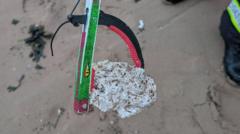
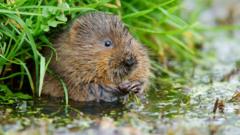
The tiny, dark pellets left on riverbanks of the Hogsmill in Surrey have become a surprising metric of wildlife recovery. Conservation volunteers reported a noticeable increase in these “squashed poo” signs during the spring surveys conducted in April 2024. The finding points to a growing water vole ( Arvicola amphibius ) population that had been declared locally extinct a decade ago. Because water voles are a key indicator species for healthy riparian ecosystems, their comeback matters to both biodiversity and flood‑plain management.
Key takeaways
- Fresh vole droppings on the Hogsmill riverbanks indicate a thriving local population.
- Habitat restoration and predator control were central to the species’ resurgence.
- The sign‑of‑success method offers a low‑cost monitoring tool for volunteers.
- Continued riverbank management will be crucial to sustain the recovery long term.
Background
Water voles once flourished across lowland Britain, but intensive drainage, riverbank development and predation by introduced American mink drove them to the brink. In 2013, Surrey County Council launched a ten‑year “Hogsmill River Habitat Project” that combined native vegetation planting, fence installation, and mink‑trapping. The effort was monitored by the Wildlife Trust and local citizen scientists, who logged sightings, burrows and, more recently, droppings as part of a broader science initiative.
What happened
During the April 2024 field sweep, volunteers from the Surrey Wildlife Trust recorded over 150 fresh vole pellet sites along a 3‑kilometre stretch of the river. The pellets, flattened by water flow, are easier to spot than the animal itself, making them an efficient proxy for presence. Researchers cross‑checked the droppings with motion‑triggered cameras, confirming that adult voles and juvenile kits were actively foraging. The data were uploaded to the national Biodiversity Data Bank and highlighted in a recent [BBC News](https://www.bbc.co.uk/news/articles/c1d1097w45no?at_medium=RSS&at_campaign=rss) report.
Why it matters
Water voles play a dual role: they graze on riverbank vegetation, which helps prevent erosion, and they serve as prey for birds of prey and otters, sustaining higher trophic levels. Their return signals that the Hogsmill’s water quality and bank structure have improved sufficiently to support sensitive mammals. Moreover, the “squashed poo” monitoring technique reduces reliance on expensive camera traps, empowering community groups and aligning with citizen‑science models seen in other successes, such as the Hidden moth population found after 70 years.
What happens next
The next phase involves a three‑year maintenance plan that will:
- Continue targeted mink removal to keep predation pressure low.
- Expand native willow and reed planting to provide additional cover.
- Train more volunteers in pellet identification and data entry.
The project team will publish quarterly updates on the Chronicle News portal, inviting public feedback and encouraging other river catchments to adopt the droplet‑tracking method.
Frequently asked questions
How can volunteers tell vole droppings from other wildlife?
Vole pellets are small (about 5 mm long), dark brown, and often appear in rows that have been flattened by flowing water, unlike the rounder, less‑compressed droppings of rabbits or mice.
Are water voles protected by law?
Yes, the water vole is protected under the UK’s Wildlife and Countryside Act 1981, making it illegal to kill, injure, or disturb them, and mandating habitat preservation.
Will the increase in voles affect other species on the Hogsmill?
A healthier vole population can boost otter numbers and support bird species that hunt small mammals, while their grazing helps maintain open, diverse riverbank flora.
Bottom line
The surge in “squashed poo” along Surrey’s Hogsmill River provides concrete evidence that water voles are rebounding after years of decline. Ongoing habitat work and community monitoring will be key to turning this early success into a lasting recovery, as reported by [BBC News](https://www.bbc.co.uk/news/articles/c1d1097w45no?at_medium=RSS&at_campaign=rss).