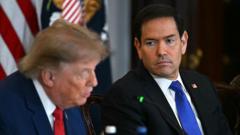
The United States imposed fresh sanctions on Cuban entities and officials on Tuesday, targeting an international socialist institute and Cuba's Ministry of Construction. The measures, announced by Senator Marco Rubio, are part of Washington's ongoing efforts to pressure the Cuban government over human rights abuses and its support for authoritarian regimes. These sanctions come amid heightened scrutiny of Cuba's ties with Russia and other US adversaries. The move underscores the Biden administration's commitment to maintaining a tough stance on Havana.
Key Takeaways
- US sanctions target Cuba's Ministry of Construction and an international socialist institute.
- The move is part of Washington's response to alleged human rights abuses in Cuba.
- Sanctions aim to isolate Cuban entities linked to authoritarian regimes like Russia.
- The US continues its decades-long economic pressure on the Cuban government.
Background
The United States has enforced an embargo on Cuba since the 1960s, citing the island nation's communist policies and human rights record. While some restrictions were eased under the Obama administration, tensions have escalated in recent years. Cuba's close relationships with Russia, Venezuela, and other nations critical of US policies have drawn significant international attention.
The latest sanctions follow years of accusations that Cuban officials suppress political dissent and silence critics through imprisonment and intimidation. These measures also highlight growing concerns over Cuba's economic and strategic partnerships, particularly with countries at odds with the United States.
What Happened
The US Department of the Treasury added Cuba's Ministry of Construction and the José Martí International Institute for Higher Studies to its sanctions list. The ministry is accused of facilitating construction projects that benefit the Cuban government and its allies, while the institute allegedly promotes socialist ideologies abroad.
Senator Marco Rubio, a prominent critic of the Cuban government, applauded the sanctions, stating they "send a clear message that the United States will not tolerate Cuba's ongoing human rights violations." The sanctions freeze any US-based assets of the targeted entities and bar Americans from doing business with them.
This announcement follows several other recent measures aimed at Cuban officials and entities, intensifying Washington's economic pressure on the island nation.
Why It Matters
These sanctions are part of a broader US strategy to isolate governments and organizations accused of undermining democratic values. Cuba's alignment with Russia and Venezuela, both under heavy US sanctions, has deepened Washington's concerns.
By targeting the Ministry of Construction, the US aims to disrupt infrastructure projects that may strengthen Cuba's government or its allies. Meanwhile, sanctions on the José Martí Institute reflect worries about Cuba's ideological influence in the region and beyond.
The move is likely to further strain US-Cuba relations, which have remained tense since the Trump administration reinstated many restrictions lifted under President Obama. It also signals the Biden administration's unwillingness to soften its stance despite calls for engagement from some US lawmakers and advocacy groups.
What Happens Next
The Cuban government condemned the sanctions as "unjust and coercive," reiterating its long-standing opposition to US interference in its domestic affairs. Experts believe the sanctions will exacerbate Cuba's economic struggles but are unlikely to force substantial policy changes in the short term.
Washington is expected to continue monitoring Cuba's partnerships with Russia, Venezuela, and other nations subject to US sanctions. Additional measures may follow if these relationships deepen or if human rights abuses in Cuba persist.
Meanwhile, international observers will closely watch how these sanctions impact US-Cuba relations and whether they spark further diplomatic or economic retaliation from Havana.
Frequently Asked Questions
What are the latest US sanctions on Cuba?
The US has sanctioned Cuba's Ministry of Construction and the José Martí International Institute for Higher Studies. These entities are accused of supporting the Cuban government and its ideological outreach.
Why did the US impose these sanctions?
The sanctions aim to penalize Cuba for alleged human rights abuses and its close ties with authoritarian regimes like Russia and Venezuela.
How will these sanctions affect Cuba?
The sanctions may worsen Cuba's economic challenges by restricting access to international markets and resources. However, their broader impact on government policies remains uncertain.
Bottom Line
The United States has intensified its economic pressure on Cuba by sanctioning key government-linked entities. This move reflects Washington's broader strategy to counter authoritarian regimes and human rights violations. Read the full story on BBC News.