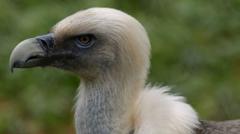
In Nigeria, vultures are vanishing at an alarming rate due to habitat destruction, poaching, and cultural superstitions. This decline has far-reaching ecological consequences, as vultures play a critical role in maintaining healthy ecosystems. Recognizing the urgency, Nigerian conservationist Gerima Mustapha, known as the "Vulture King," has launched efforts to save these endangered scavengers. His work is vital as vultures help prevent the spread of diseases by cleaning up animal carcasses, a role no other creature can replicate.
Key Takeaways
- Vultures are nearing extinction in Nigeria due to habitat loss, hunting, and illegal wildlife trade.
- Gerima Mustapha, the 'Vulture King,' is spearheading conservation efforts to protect and rehabilitate vultures.
- Vultures are critical for ecosystems, preventing diseases by consuming decaying carcasses.
- Cultural beliefs and rituals are major drivers of vulture killings, complicating conservation efforts.
Background
Vultures, often misunderstood and stigmatized, are essential to the natural world. In Nigeria, they face multiple threats, including poaching for use in traditional medicine and rituals. Habitat destruction has further reduced their numbers, leaving ecosystems vulnerable to disease outbreaks. According to BBC News, over 70% of Africa's vulture species are now critically endangered. This biodiversity crisis has drawn the attention of conservationists like Gerima Mustapha, who is determined to preserve these unsung heroes of nature.
What Happened
The decline of vultures in Nigeria has been driven by a combination of human activities. Poachers hunt them for their body parts, which are believed to have spiritual and medicinal properties in some cultures. Additionally, habitat destruction due to urbanization and deforestation has decimated their nesting areas. Mustapha, dubbed the "Vulture King," has made it his mission to educate communities about the ecological importance of these birds. His work includes rescuing injured vultures, raising public awareness, and lobbying for stricter laws to protect them.
Why It Matters
Vultures are nature’s clean-up crew, preventing the spread of diseases like anthrax and rabies by disposing of animal carcasses. Without them, ecosystems can become breeding grounds for pathogens, posing risks to both wildlife and humans. Their disappearance in Nigeria is not just an environmental issue but a public health concern. Efforts to reverse this trend align with broader global initiatives to combat biodiversity loss and its cascading impacts.
For Nigeria, the loss of vultures also highlights cultural and economic challenges. Ritualistic beliefs that fuel vulture killings are deeply ingrained, making public education a critical component of conservation efforts. As Mustapha noted, "Saving vultures is saving ourselves," emphasizing the interconnectedness of human and environmental health.
What Happens Next
The fight to save Nigeria's vultures is far from over. Mustapha and his team are ramping up efforts to work with local communities, focusing on changing perceptions of vultures. Conservation groups are also pushing for stricter enforcement of laws against poaching and illegal wildlife trade. Meanwhile, international organizations are stepping in to provide funding and expertise for vulture rehabilitation projects. By combining grassroots activism with policy changes, advocates hope to halt the decline and give vultures a fighting chance.
Frequently Asked Questions
Why are vultures disappearing in Nigeria?
Vultures are vanishing primarily due to habitat destruction, poaching, and cultural practices that involve their use in rituals and traditional medicine. These activities, coupled with weak enforcement of wildlife protection laws, have severely impacted their populations.
What role do vultures play in the ecosystem?
Vultures serve as nature’s garbage collectors, feeding on dead animals and preventing the spread of diseases like anthrax and rabies. Their absence can lead to serious public health crises and disrupt the balance of ecosystems.
How is Gerima Mustapha helping vultures?
Known as the “Vulture King,” Mustapha is leading efforts to rescue and rehabilitate vultures, educate communities on their importance, and advocate for stronger legal protections. His work is central to reversing the alarming decline in vulture populations.
Bottom Line
The disappearance of vultures in Nigeria poses severe ecological and public health risks, but conservationist Gerima Mustapha is working tirelessly to save these essential birds. His efforts highlight the urgent need for education, policy changes, and community collaboration to address this crisis.
Reporting attributed to BBC News.
Related Reading
- Travis Kelce shares first details from his wedding to Taylor Swift - 'Best night of my life'
- 'If you're not conservative, don't come here': The town making missiles for Trump
- Chawinga sisters fire Malawi into Wafcon final
- Members of Trump's cabinet remained on decoy plane, after president's quiet exit
- Fearless Madjo, 17, ends eight-month wait with dream Villa debut
For more on global environmental challenges, visit the world section of Chronicle News.