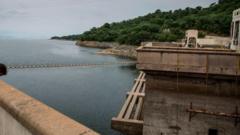
A passenger boat capsized on the windswept waters of Lake Kariba, killing at least 15 people and leaving dozens injured. The vessel, reportedly overloaded, was struck by strong waves that caused it to overturn early this week. Rescue teams from Zimbabwe’s emergency services and the Zambezi River Authority scrambled to retrieve survivors, but the suddenness of the accident hampered their efforts. The tragedy underscores long‑standing safety concerns on Africa’s largest man‑made lake and has prompted calls for stricter maritime regulation.
Key takeaways
- At least 15 people confirmed dead after a boat capsized on Lake Kariba.
- Strong waves and possible over‑loading are cited as primary causes.
- Rescue operations involved local authorities, the Zambezi River Authority, and volunteers.
- The incident revives debate over safety standards for lake transport in Zimbabwe.
Background
Lake Kariba, straddling the border between Zimbabwe and Zambia, was created in the 1950s to power the Kariba Dam. It now supports fishing, tourism, and local transport for communities scattered along its 223‑kilometre shoreline. Despite its economic importance, the lake’s ferry and private boat services have a spotty safety record, with past incidents often linked to inadequate vessel maintenance and lax passenger limits.
The Zambezi River Authority, which jointly manages the dam, has previously warned that sudden weather shifts can generate “dangerous chop” that catches even experienced captains off guard. In the months leading up to the disaster, regional weather reports noted an unusually strong southerly wind pattern that pushed waves higher than normal across the lake’s open stretches.
What happened
According to statements released by local police, the boat departed from the Mlibizi dock in the early morning hours, bound for the fishing village of Bumi Hills. Witnesses on the shore reported seeing the vessel list heavily before it tipped over, a motion they attributed to a sudden surge of waves that struck the hull on the starboard side.
Rescue crews arrived within minutes, deploying motorboats and inflatable rafts. Divers were later called in to search the deeper sections of the lake, where several passengers were believed to have been trapped. By the end of the day, officials confirmed 15 fatalities, with many more rescued and taken to the nearby hospital in Kariba town for treatment of hypothermia, injuries, and shock.
The incident has already been featured in the world section of our site, highlighting its broader relevance to regional transport safety.
Why it matters
Lake Kariba is a lifeline for thousands of Zimbabweans who rely on water transport for work, trade, and education. A single accident can disrupt supply chains, isolate remote villages, and strain already limited medical facilities. Moreover, the lake’s reputation as a tourist hotspot may suffer, potentially reducing revenue for local businesses that depend on cruise operators and fishing charters.
The tragedy also arrives at a time when the government is promoting large‑scale events, such as the upcoming Tennent's Soccer Sixes returns with legends event, which aim to showcase Zimbabwe’s hospitality sector. A perception of unsafe transport could deter visitors and investors alike.
Deeper analysis
Safety culture and regulation
Zimbabwe’s maritime safety oversight falls under the Ministry of Transport and the Zambezi River Authority, yet enforcement has been inconsistent. Vessel inspections are often scheduled annually, but many operators claim they lack the resources to comply fully. In a 2022 audit, the Ministry noted that “over‑crowding remains a persistent challenge on inland watercraft, especially during peak tourist seasons.”
Weather forecasting gaps
While the country’s Meteorological Services Department issues regular forecasts, real‑time alerts for sudden lake‑specific conditions are limited. Satellite‑based monitoring, which could provide early warnings of wave spikes, is not yet integrated into the lake’s emergency response framework. Experts suggest that a modest investment in localized weather buoys could dramatically improve safety outcomes.
Economic ripple effects
The fishing industry, which supplies both local markets and export channels, may feel the shock of reduced boat availability. A separate environmental incident earlier this year saw Generations of fish 'wiped out' after pollution incident, highlighting the lake’s vulnerability to both human error and ecological threats. Combined, these events could depress fish stocks, lower catches, and ultimately affect food security for lakeside communities.
Community response
Local residents have organized spontaneous “watch‑and‑assist” groups, using small canoes to ferry supplies to affected families. Social media posts from the region show a mixture of grief and resolve, with many calling for a government inquiry. The Zambezi River Authority has pledged to launch an internal review, though critics argue that an independent commission would be more credible.
What happens next
The immediate priority is to locate any remaining missing passengers and provide medical care to the injured. Authorities have announced an expanded search operation, deploying additional sonar equipment and aerial drones over the lake’s surface. In the longer term, the Ministry of Transport plans to convene a stakeholder workshop within the next month, aiming to tighten passenger caps, enforce mandatory life‑jacket usage, and upgrade weather‑alert systems.
International partners, including the African Development Bank, have expressed willingness to fund safety upgrades if the Zimbabwean government demonstrates a clear implementation roadmap. Meanwhile, the upcoming Tennent's Soccer Sixes returns with legends event will proceed under heightened security, with organizers promising “zero‑tolerance” policies for any transport violations involving athletes and fans.
Full coverage of the incident and related stories can be followed on Chronicle News or through the broader archive of all articles.
Frequently asked questions
How many people were on the boat?
Exact passenger numbers have not been released, but officials confirmed that the vessel was likely carrying more people than its official capacity.
Who is leading the rescue effort?
The rescue operation is coordinated by the Zimbabwe Republic Police, the Zambezi River Authority, and local volunteer groups, with support from the national ambulance service.
Will there be an investigation?
Yes. The Ministry of Transport has announced an inquiry into the incident, and the Zambezi River Authority will conduct its own internal review.
Bottom line
At least 15 people lost their lives when a boat capsized on Lake Kariba, raising urgent safety concerns for water transport in the region. Reporting by BBC News.
Related reading
- Tennent's Soccer Sixes returns with legends event
- School founded by Charlotte Church operated without permission at former pig farm
- Generations of fish 'wiped out' after pollution incident
- Kick It Out chair Bhandari to step down from role
- Wisconsin result dents winning streak for Democratic Party's left wing