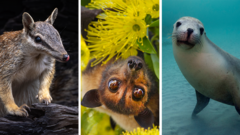
Australia is grappling with an alarming biodiversity crisis, holding the dubious title of the world’s extinction hotspot. With unique species disappearing at an unprecedented rate, one animal—the eastern barred bandicoot—offers a rare beacon of hope. Thanks to targeted conservation efforts, the bandicoot has been brought back from the brink of extinction in the wild. This success story highlights the potential for reversing biodiversity loss, even in the face of daunting odds.
Key takeaways
- Australia has the highest rate of mammal extinctions globally, driven by habitat loss and invasive species.
- Over 100 species have gone extinct since European colonization, with many more critically endangered.
- The eastern barred bandicoot has been reintroduced to predator-free sanctuaries, showing signs of population recovery.
- Conservation efforts offer a blueprint for protecting Australia's other at-risk species.
Background
Australia is home to some of the planet's most distinctive wildlife, including kangaroos, koalas, and platypuses. Yet, the country has struggled to protect these unique species. Since European settlement in 1788, over 100 native species have gone extinct, and many others face severe population declines.
The drivers of this crisis are complex but include habitat destruction, climate change, and the introduction of invasive predators like foxes and feral cats. These threats have combined to make Australia the world’s leader in mammal extinctions, as reported by BBC News. Today, more than 1,900 species are listed as threatened or endangered in the country.
What happened
Amid the grim statistics, the eastern barred bandicoot has emerged as a rare conservation success story. Once widespread across southeastern Australia, the small marsupial was declared extinct in the wild in 1991 due to habitat loss and predation by introduced species. However, captive breeding programs and the establishment of predator-free sanctuaries have given the bandicoot a second chance.
Over the past decade, conservationists have reintroduced bandicoots to several protected areas, including fenced reserves and offshore islands. These efforts have allowed the population to grow, with the bandicoot now classified as "near-threatened" rather than extinct in the wild. The species’ comeback demonstrates the power of targeted conservation strategies.
Why it matters
Australia's biodiversity crisis isn’t just a local issue—it’s a global concern. The country’s unique wildlife plays a vital role in its ecosystems, contributing to soil health, pollination, and pest control. Losing these species would not only disrupt local environments but also diminish the world’s natural heritage.
The success of the eastern barred bandicoot underscores the importance of proactive conservation. It shows that, with adequate resources and planning, species on the brink of extinction can recover. This story serves as an inspiration for addressing the broader extinction crisis in Australia and beyond.
Deeper analysis
Experts argue that the eastern barred bandicoot’s recovery provides a model for saving other endangered species. Key elements of the program include:
- Predator-free sanctuaries: Fencing off reserves to exclude invasive species has been crucial to the bandicoot’s survival.
- Community involvement: Local support and awareness campaigns have helped sustain conservation efforts.
- Government and NGO partnerships: Collaboration between public and private sectors has ensured funding and expertise.
Despite these successes, challenges remain. Expanding predator-free areas is costly and logistically complex, while climate change continues to threaten habitats. Still, the bandicoot’s story proves that intervention can work, even in a country facing severe biodiversity losses.
What happens next
Conservationists are now looking to replicate the bandicoot’s success with other species. Programs targeting animals like the greater bilby and western ground parrot are already underway. The Australian government has also pledged to protect 30% of the country’s land and sea by 2030, aligning with global biodiversity goals.
However, experts stress that more funding and stronger legislation are needed to prevent further extinctions. The eastern barred bandicoot is a symbol of hope, but it cannot turn the tide of Australia’s extinction crisis alone. A national commitment to conservation is essential to secure a future for the country’s unique wildlife.
Frequently asked questions
Why is Australia considered an extinction hotspot?
Australia has the highest rate of mammal extinctions globally due to habitat loss, invasive species, and climate change. Since European settlement, over 100 species have gone extinct, and many more are critically endangered.
What makes the eastern barred bandicoot's recovery significant?
The bandicoot’s recovery from extinction in the wild demonstrates that targeted conservation efforts can reverse population declines. Its success provides a blueprint for saving other threatened species in Australia.
What are the key threats to Australia's biodiversity?
Major threats include land clearing, invasive species like foxes and feral cats, and climate change. These factors disrupt ecosystems, making it difficult for native species to survive and thrive.
Bottom line
Australia’s biodiversity crisis is severe, but the eastern barred bandicoot offers a glimmer of hope. The country must build on this success to protect its unique wildlife for future generations, as highlighted by BBC News.