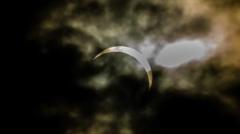
Scotland's most anticipated solar eclipse in 27 years brought a mix of awe and frustration on Saturday. Eclipse enthusiasts gathered across the country to witness the celestial event, but heavy cloud cover in several areas dampened the experience. While some lucky stargazers caught fleeting glimpses of the partial eclipse, others were left staring at overcast skies. The event underscores the unpredictable nature of skywatching, even during rare astronomical phenomena.
Key takeaways
- Scotland experienced its best solar eclipse viewing opportunity since 1996.
- Cloudy weather blocked views in several regions, disappointing many eclipse hunters.
- Some areas reported brief but spectacular sightings through breaks in the clouds.
- The event highlights challenges of observing astronomical events in unpredictable climates.
Background
A solar eclipse occurs when the moon passes between the Earth and the sun, partially or fully obscuring the sun's light. Saturday's eclipse was a partial one, meaning the moon covered only a portion of the sun's surface. Scotland was uniquely positioned for prime viewing, with up to 90% of the sun obscured in certain parts of the country. Enthusiasts had been preparing for this rare opportunity, as it was Scotland's most significant eclipse since 1996.
What happened
Despite the excitement, cloudy skies proved to be a major obstacle for many across Scotland. Large gatherings had formed at popular viewing spots, including Arthur’s Seat in Edinburgh and the Cairngorms National Park. However, persistent cloud cover in areas like Glasgow and Aberdeen left many disappointed.
In contrast, regions with periodic breaks in the clouds, such as parts of Fife and the Isle of Skye, offered breathtaking views of the eclipse. Enthusiasts who managed to catch a glimpse described the moment as "magical," with the partially obscured sun casting an eerie yet fascinating glow.
Why it matters
This eclipse was a rare opportunity for Scotland's residents to witness one of nature's most spectacular events. Such astronomical phenomena often spark interest in science and inspire both amateur and professional stargazers.
The mixed outcomes highlight the challenges of observing celestial events in regions prone to unpredictable weather. Scotland's experience serves as a reminder of the delicate balance between preparation and nature's whims during rare cosmic occurrences.
What happens next
The next opportunity to see a solar eclipse in Scotland won't come until 2026, though it will be less significant in coverage. For those who missed Saturday's event, the global scientific community continues to document and share images and insights through online platforms.
In addition, interest in astronomy is expected to grow, with many enthusiasts already planning for future celestial events. Those disappointed by the clouds may seek out international travel opportunities to witness eclipses in more optimal conditions.
Frequently asked questions
What was special about this eclipse for Scotland?
This was Scotland’s best chance to view a solar eclipse since 1996, with some regions experiencing up to 90% obscuration of the sun. Rare events like this offer a unique opportunity to engage with astronomy at a local level.
Why couldn’t everyone see the eclipse?
Cloudy skies in much of Scotland blocked visibility during the event. While some areas had breaks in the clouds allowing for brief views, others were completely obscured, highlighting the challenges of observing astronomical events in regions with unpredictable weather.
How can people prepare for future eclipses?
To improve the chances of witnessing future eclipses, enthusiasts can monitor weather forecasts and travel to areas with clearer skies. Resources like eclipse maps and guides are available to help plan for upcoming events.
Bottom line
Scotland’s eclipse hunters experienced mixed fortunes as cloudy skies hindered their view of a rare celestial event. Reporting courtesy of BBC News.